ENGLISH
 中文
 ไทย
How to Prevent Ovarian Cysts and Get Rid of Them Naturally
How to prevent ovarian cysts? The honest answer is that not every cyst can be prevented. But the type that causes the most anxiety, functional cysts tied to ovulation and hormonal fluctuations, can be influenced by your consistent lifestyle adjustments.
This guide covers natural strategies that may help reduce cyst recurrence, the clinical role of birth control pills, and clear guidance on seeking medical evaluation.

Can You Really Prevent Ovarian Cysts?
Can You Really Prevent Ovarian Cysts? The answer depends on the type of cyst. There is no single way to avoid every cyst, but the strategies differ greatly depending on whether the cyst is a normal part of your cycle.
Functional Cysts: Why They Can’t Be Fully Prevented
Mayo Clinic explains that most ovarian cysts form as a direct result of the menstrual cycle. Each month, a follicle grows, produces hormones, and breaks open to release an egg.
A functional cyst forms when that process goes slightly off-schedule, either the follicle fails to rupture, or the opening seals and fluid accumulates. These are not signs of disease. They are by-products of normal ovulation.
Mayo Clinic notes that functional cysts usually resolve on their own within two to three menstrual cycles.
Pathological Cysts: What You Can Manage
Pathological cysts are a different category. These include endometriomas (linked to endometriosis) and the multiple small follicles seen in polycystic ovary syndrome (PCOS).
They are not simply a matter of timing. They reflect an underlying hormonal or inflammatory condition, which means they can be managed, and in some cases, their recurrence may be reduced through medical and lifestyle intervention.
If you are unsure which type you have, an ultrasound is the only reliable way to tell. [What Do Ovarian Cysts Look Like on an Ultrasound?] explains the imaging features clinicians use to distinguish functional cysts from those that need closer follow-up.
How to Get Rid of Ovarian Cysts Naturally
For functional cysts, getting rid of a cyst usually means supporting the body’ s own resolution process. For PCOS-related cysts, natural strategies target the hormonal environment that keeps follicles from maturing and releasing eggs.
The approaches below have the strongest evidence behind them.
Anti-Inflammatory Diet
Chronic low-grade inflammation is a feature of PCOS and is thought to contribute to insulin resistance and ovulatory dysfunction.
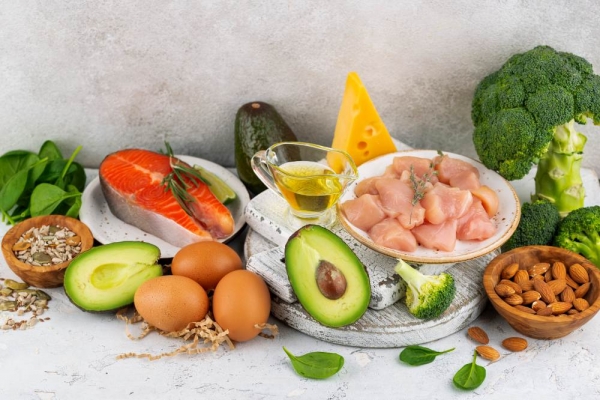
A Mediterranean-style pattern, rich in vegetables, fruit, whole grains, legumes, fatty fish, nuts, and olive oil, emphasizes foods with anti-inflammatory properties.
Limiting refined carbohydrates, added sugars, and trans fats is equally important, as these can worsen insulin resistance and hormonal imbalance.
Weight Management
Adipose tissue produces estrogen. Excess body fat can therefore amplify hormonal signals that disrupt ovulation. Even modest weight loss can shift this balance.
A loss of 5% to 10% of body weight has been shown to significantly improve hormonal profile and restore regular ovulation in women with PCOS.
Weight management is not a cosmetic goal in this context. It is a lever for hormonal regulation.
Regular Exercise
Moderate, consistent activity improves insulin sensitivity and supports weight control. Walking, swimming, cycling, and yoga are appropriate choices.
One safety consideration: if you already have a known large cyst, avoid activities that involve sudden twisting, jumping, or high-impact abdominal movements. These can increase the risk of rupture or ovarian torsion.
Gentle, sustained movement is preferable to explosive or contact-based exercise.
Supplements and Alternative Therapies
1. Inositol is an effective and safe supplement for PCOS with consistent evidence.
It is not a treatment for a cyst that already exists, but it may support ovulatory function over time, with non-inferiority to metformin in most outcomes. Discuss dosing with a clinician before starting.
2. Acupuncture is sometimes used for cycle regulation and stress reduction. The evidence is less robust than for inositol, but some women find it helpful as an adjunct.
The Truth About Birth Control Pills and Ovarian Cysts
Birth control pills occupy a confusing place in the cyst conversation. The same medication is sometimes said to cause cysts, and other times said to stop them. Both statements hold limited truth, but they apply to different situations.
Can Birth Control Pills Prevent Cysts?
Yes, in a specific sense. Combined oral contraceptives work by stopping ovulation. If no follicle matures and ruptures, the hormonal process that produces a functional cyst will be interrupted.
Research shows that people taking combined birth control pills have lower rates of surgically confirmed functional ovarian cysts.
This is why clinicians sometimes prescribe combined hormonal contraception for women who have recurrent functional cysts or repeated cyst rupture, not to shrink a cyst that is already present, but to reduce the chance of a new one forming.
Can the Pill Actually Cause Cysts?
The evidence does not support the idea that standard combined oral contraceptives cause persistent ovarian cysts.
Clinical trials confirm that follicle growth may occasionally happen even with contraceptive use, but there is no proof that triphasic pills lead to long-lasting cysts.
If a cyst is found while you are on the pill, it is usually a coincidental finding: a follicle that grew despite ovulation suppression, rather than a cyst triggered by the medication.
One important distinction: combined oral contraceptives should not be used to treat a cyst that already exists. Per ACOG’ s guidance, oral contraceptives do not help resolve existing functional cysts. The pill only prevents new cysts from forming.
When Natural Methods Aren't Enough: Seeking Medical Help
Lifestyle changes and hormonal management can reduce recurrence and support ovulation, but they have limits. Some situations require a different level of intervention.
A Cyst That Persists
If a simple cyst remains unchanged after two to three menstrual cycles, it is unlikely to be functional, and further evaluation is warranted. Persistence is a signal to look for another explanation.
Size: A Cyst Larger Than 5 cm
A cyst larger than 5 cm is less likely to resolve on its own and carries a higher risk of torsion or rupture. Surgical evaluation may be appropriate, particularly if it is symptomatic or growing.
PCOS and Difficulty Conceiving
In PCOS, the “cysts” are arrested follicles that never released an egg. Natural strategies can improve the hormonal environment, but they do not always restore ovulation.
If irregular periods persist and you are trying to conceive, ovulation induction with medications may be the next step. If those are insufficient, IVF can bypass the ovulatory problem entirely.
If your cysts are accompanied by irregular periods or difficulty conceiving, lifestyle changes alone may not be enough. Our specialists offer advanced [PCOS Management and Fertility Treatments in Bangkok] to help you ovulate and conceive.
Conclusion
There is no universal way on "how to prevent ovarian cysts" that works for all cyst types. Functional cysts develop as part of regular ovulation and cannot be completely avoided.
Even so, you can modulate the hormonal environment that governs ovulation. An anti-inflammatory diet, weight management, regular physical activity, and targeted supplements such as inositol may all offer benefits.
Birth control pills help stop new functional cysts from forming but cannot resolve cysts you already have. Seeking medical assessment at this stage is not a sign that self-care has failed; it is the appropriate next step.
If you are dealing with recurrent cysts or PCOS-related irregular cycles, book a consultation with our specialists at Bangkok IVF center for a personalized assessment.
FAQs
1. Can you still get pregnant with a cyst?
Yes, in most cases. A simple functional cyst does not prevent pregnancy. The exception is when the cyst is part of a condition like PCOS that disrupts ovulation. In that situation, fertility treatment may be needed.
2. Can ovarian cysts come back after they go away?
Yes, they can. Functional cysts can recur with any future menstrual cycle, as they are a normal byproduct of ovulation. If you have an underlying condition such as endometriosis or PCOS, the risk of developing new cysts is higher.
While you cannot always prevent them from returning, regular check-ups and managing your underlying hormonal health are the best ways to stay ahead of them.
3. Are there specific foods I should avoid to prevent ovarian cysts?
No single food causes or cures an ovarian cyst. However, if you have a hormonal condition like PCOS, diet plays a significant role.
It is best to limit refined carbohydrates (like white bread and sugary drinks) and trans fats. Focusing on a diet rich in fiber, lean proteins, and anti-inflammatory fats (like those found in olive oil and fish) is the most evidence-based dietary approach.