ENGLISH
 中文
 ไทย
Mediterranean Diet for Preconception: Can it Improve Egg and Sperm Quality?
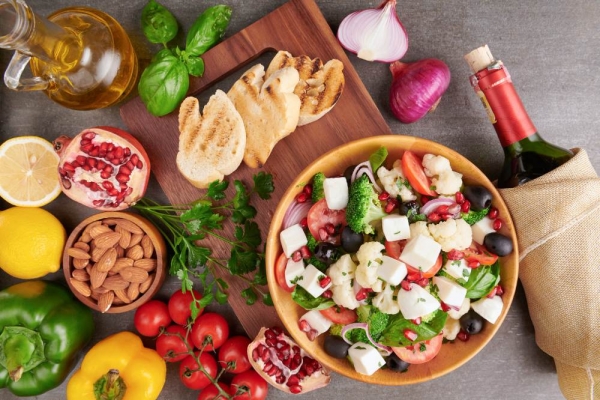
The Mediterranean diet is one of the most-studied eating patterns in reproductive medicine. Yet its benefits differ for sperm versus egg health.
This article breaks down current research findings and helps you avoid common preconception nutrition myths.
Benefits Exist, But Evidence Strength Varies
A 2026 review published in IJRCOG analysed reviews and controlled trials released between 2021-2026. It found regular Mediterranean-style eating ties to better semen health, hormone balance, oocyte function, lower oxidative stress, and higher pregnancy and live-birth rates.
Even so, these findings need careful interpretation.
Evidence is much more reliable for men’s sperm quality. For women’s egg health and IVF live-birth results, study signals are weak and inconsistent.
For Men: Fairly Strong Evidence for Sperm Quality
Studies show measurable and repeatable sperm-related benefits from the Mediterranean diet.
One 2025 meta-analysis pooled observational research and reported these correlations:
1. Total sperm count rose by 24.37 million;
2. Total sperm motility increased by 8.8%;
3. Progressive motility improved by 7.5%;
4. Normal sperm morphology went up by 1%.
These changes applied both to healthy men and men seeking fertility treatment. Effects were most obvious in healthy participants. That said, few studies have examined whether this diet boosts IVF live-birth rates. At present, no meaningful link has been proven.
In short: This eating pattern improves sperm lab values. We do not yet have solid proof it raises live-birth odds from IVF. For further reading on male fertility, see our guide: [Signs of Male Infertility].
For Women: Mild, Mixed Evidence for Eggs and Live-Birth Results
Study conclusions for women are less clear-cut.
Some studies show small positive trends. Data from the EARTH study recorded a 0.44 live-birth rate for women with high Mediterranean-diet adherence, compared to 0.31 for women with the lowest adherence. A 2026 couple-focused cohort in Fertility and Sterility also noted slightly better live‑birth odds when either partner followed the diet.
Other studies failed to verify these benefits.
A 2026 systematic review in RBMO, covering five relevant studies, concluded there is no strong, confirmed link between the Mediterranean diet and IVF treatment results.
For women trying to conceive, the Mediterranean diet has no known major risks and you may try it. Keep in mind it will not decide your IVF success. Do not feel stressed if you cannot stick to it perfectly.
Why Research Results Often Conflict
Differing study outcomes stem from four main limitations:
1. Observational study limits: Most data comes from observational research relying on food-frequency questionnaires. Participant recall can create bias, less precise than controlled intervention trials.
2. Different outcome goals: Studies track varied outcomes: sperm motility, retrieved-egg count, or final live-birth rates. Diet affects these markers differently, so findings cannot be compared directly.
3. Varied baseline health: Effects look different for healthy people compared with patients already receiving fertility care.
4. Whole-diet pattern, not one “superfood”: The Mediterranean diet is a complete lifestyle of food choices, not one magic ingredient. Variations in study size and participant groups also change what researchers observe.
Practical Tips: Start With Subtraction, Not Perfection
You don’t need to stress over precise salmon servings or how many nuts you eat each day. These four simple steps are easy to keep up with, no strict rules required.
1. Cut Back on Less Helpful Foods First
A 2026 review ties ultra-processed foods, trans fats, refined carbohydrates, and processed meats to poorer reproductive outcomes. Reducing these foods delivers easier wins than adding large amounts of new healthy items.
Quick tip: Swap sweet bubble-tea or sugary drinks for plain water or unsweetened tea; limit heavy fried take-out meals.
2. Follow The General Framework
Core Mediterranean-diet building blocks: whole grains, vegetables, fruit, nuts, beans and olive oil; moderate seafood and low-fat dairy; limited red meat and poultry. You do not need every single meal to meet the standard; aim for a good weekly average.
Quick tip: Replace refined white grains with whole-grain alternatives; use olive oil for some home cooking; swap chips for a small handful of plain nuts.
3. Build Healthy Habits Together As a Couple
The 2026 couple cohort study shows slightly higher live-birth rates when either or both partners follow healthy dietary patterns. Remember sperm takes roughly 90 days to fully develop, so male eating habits directly shape sperm quality.
Quick tip: Shop and cook healthy meals together on weekends. Shared goals lower mental pressure for both of you.
4. Avoid perfection-driven anxiety
Diet is just one piece of reproductive health. One indulgent meal will not undo your progress. Occasional treats are completely fine. Long-term patterns outweigh single meals.
Final Thoughts
For preconception, Mediterranean-diet evidence is clearer for sperm quality. For egg health and live-birth rates, we see mild positive signals yet limited overall proof.
It works as a helpful reference for your preconception nutrition plan, but it should not become a source of stress. Starting by cutting ultra-processed food is a realistic first step toward this eating pattern.
To learn more about preconception nutrition and fertility assessment, email info@cefivf.com or visit our Contact page.
Disclaimer: This article draws on meta-analyses, systematic reviews and cohort studies published 2025-2026. It serves educational purposes only and does not constitute medical advice. Always follow personalised recommendations from your fertility clinician.