 ENGLISH
 中文
中文 ไทย
ไทยAcupuncture During Pregnancy: Is It Safe? 6 Proven Benefits You Should Know
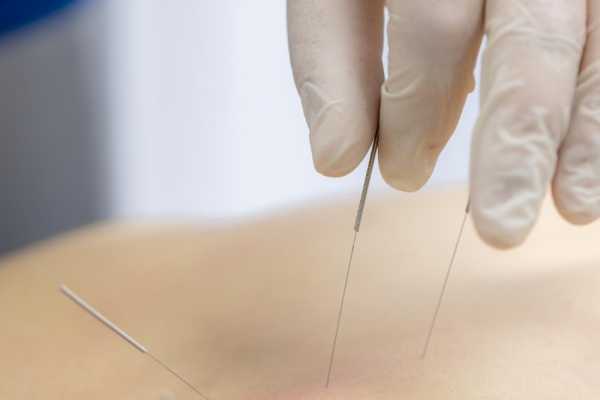
Can you do acupuncture during pregnancy? The short answer is yes. When performed by a qualified practitioner, acupuncture does not increase your risk of harm. It is a safe, therapy that can relieve nausea, back pain, pelvic discomfort, and anxiety. Discover 6 evidence-based benefits of acupuncture during pregnancy and a trimester-by-trimester safety guide here.
Quick Answer: Is Acupuncture During Pregnancy Safe?
|
Your Situation |
Safety Verdict |
Key Evidence |
|
Low-risk pregnancy, any trimester |
Yes, with a licensed prenatal acupuncturist |
1.9% adverse event rate; no increase in miscarriage risk |
|
Post-IVF / early pregnancy (1st trimester) |
Yes, but inform your practitioner immediately |
2025 analysis shows higher clinical pregnancy rates with acupuncture |
|
Breech baby (33–35 weeks) |
Yes, acupuncture + moxibustion is first-line therapy |
53–75% success rate in turning breech babies (Cochrane-reviewed) |
|
Near/over due date (39–40 weeks) |
Yes, with caution; cervical ripening points may be used only with OB clearance |
Requires written informed consent; avoid before 37 weeks |
|
High-risk pregnancy or placenta previa |
Not recommended; consult your OB-GYN first |
Acupuncture is generally avoided in high-risk pregnancies |
Is Acupuncture Safe During Pregnancy? The Evidence
In European countries, 4% to 13% of obstetric patients already receive acupuncture for pregnancy and childbirth concerns, and the number is steadily climbing worldwide.
A 2025 systematic review of 12 randomized controlled trials involving 1,641 pregnant women found that adverse events during acupuncture treatment were relatively low, just 1.9%, and most were mild bruising or soreness.
Also, compared to standard care alone, acupuncture combined with standard care significantly reduced the cesarean section rate and the preterm birth rate. Labor duration was also significantly shorter in the acupuncture group, as was pain relief (from Acupuncture and Herbal Medicine Journal 2025).
In other words, the efficacy and safety of acupuncture in treating pain in the waist and pelvic area related to pregnancy can be guaranteed.
Post-IVF Acupuncture Safety
A 2025 meta-analysis covering 7,400 patients found:
1. Acupuncture lifted clinical pregnancy rates vs untreated controls;
2. Eased egg-retrieval pain and relieved anxiety;
3. Side effects were rare and limited to mild bruising or local soreness;
Important: Acupuncture is an add-on to standard IVF management, never a replacement. Always consult your fertility doctor before treatment.
6 Benefits of Acupuncture During Pregnancy
Does Acupuncture Work for Pregnancy? This is something we need to know after we have established that acupuncture is generally safe. If it is useful, then what benefits of acupuncture when pregnant? Based on current research, here are 6 specific benefits of acupuncture during pregnancy.
1. Relief from Morning Sickness and Nausea
Morning sickness affects up to 85% of pregnant women, and severe hyperemesis gravidarum affects 0.3-2% of pregnancies. A 2025 Bayesian network meta-analysis found that acupuncture-based treatments, especially Thunder Fire Moxibustion (TCM) acupuncture, performed significantly better than usual care for nausea and vomiting relief.
Furthermore, the acupuncture/moxibustion group was significantly more effective than control groups in alleviating early-pregnancy nausea and vomiting (relative risk 0.28, 95% CI 0.21-0.37). So, if you are struggling with morning sickness and want an alternative to anti-nausea medications, acupuncture offers a safe, well-researched option.
2. Reduction of Pelvic Pain and SPD
Pelvic girdle pain (PGP) and symphysis pubis dysfunction (SPD) can make walking, sleeping, and turning over in bed painful.
Multiple pooled clinical trial data (ACOG and 2022–2025 meta-analyses) confirm acupuncture paired with routine prenatal care outperforms standard treatment alone for pregnancy-related pelvic and lower back discomfort.
3. Alleviation of Pregnancy Back Pain and Sciatica
Does acupuncture work for pregnancy back pain? The evidence says yes. A 2024 meta-analysis focused on low back and pelvic girdle pain (LBPGP) demonstrated significant pain relief, reduced disability, and better pregnancy outcomes with acupuncture.
If sciatica or lower back pain is limiting your daily activities, like walking, standing, or getting out of a chair, acupuncture offers a safe, effective therapy with minimal side effects.

4. Hormonal Regulation for Anxiety and Sleep
Multiple 2024–2025 clinical reviews confirm that acupuncture and electroacupuncture ease post-C-section discomfort, reduce stress, boost sleep, and relieve pregnancy-linked anxiety with only minor, rare side effects.
Acupuncture also cuts the incidence of antenatal depression by regulating nervous and hormonal function to lower cortisol.
5. Preparation for Labor (Cervical Ripening)
Observational studies report that acupuncture appears safe for inducing labor, has no known teratogenic effects, and may be effective in some women, but larger, high‑quality multicenter RCTs are needed.
If you are 39-40 weeks with a low-risk pregnancy, a trial of acupuncture for cervical ripening is low-risk and may help. Think of labor-preparation acupuncture as a gentle nudge rather than a medical intervention. Always talk to your OB-GYN before starting.
6. Turning Breech Babies (Acupuncture + Moxibustion)
If your baby is still breech after 32–34 weeks, acupuncture combined with moxibustion (burning a herb near the BL67 acupoint) offers a non-invasive alternative. Clinical research confirms that moxibustion helps shift babies into the optimal head-down birth position, with particularly notable results among Asian cohorts.
Clinical success rates for breech correction are 53–75%, with best outcomes when started between 33–36 weeks. Patients receiving this therapy also tend to have lower C-section rates. Cochrane reviews confirm that moxibustion administered before 37 weeks effectively lowers the ongoing breech presentation risk.
Overall, moxibustion alongside acupuncture is a safe, effective conservative solution for breech presentation, ideally initiated at 33-35 weeks of pregnancy.
Acupuncture During Pregnancy Trimester Guide
Pregnancy acupuncture safety by trimester is not one-size-fits-all. The risks, benefits, and recommended frequencies change as your body changes. The approach shifts with each trimester to prioritize both maternal comfort and fetal safety.
First Trimester (Weeks 1-12): Focus on Nausea and Caution
“Acupuncture first trimester” is dominated by two goals: relieving nausea, fatigue, and avoiding risk. Here are what to expect during these early weeks:
1. Your practitioner will use very fine needles, shallow insertion, and avoid all contraindicated points;
2. Focus on distal points (far from uterus) for nausea relief;
3. All contraindicated points are strictly avoided;
4. No needling of lower abdomen or sacrum.
Key point: Stimulation of the PC6 (Neiguan) acupoint, numerous studies have confirmed that it can effectively reduce the severity of nausea during pregnancy. However, many points on the lower abdomen, sacrum, and certain limb locations are strictly off-limits until the second trimester.
Recommended frequency: 1-2 times per week for active nausea; every 2-3 weeks for maintenance.
Second Trimester (Weeks 13-27): Managing Ligament Pain, Heartburn, and Edema
This is the safest and most comfortable time for acupuncture. The risk of miscarriage has dropped dramatically, and the uterus has moved upward, allowing more room to work on the lower back and hips.
Three of the most common complaints during this trimester are treated:
1. Round ligament pain: Acupuncture safely eases sharp, pulling round ligament pain. Practitioners use distant acupoints away from the womb to relax nearby muscles and improve blood flow to cut sudden, painful spasms.
2. Heartburn: Acupoints PC6 and ST36 aid digestion and lower acid reflux after regular treatment.
3. Mild ankle/foot edema: Acupuncture also boosts bodily fluid flow to ease mid-to-late pregnancy ankle and foot swelling. It is recommended that pairing treatment with low-salt, leg-elevation habits delivers better edema relief.
Recommended frequency: Once per week for active pain or discomfort; every 2-3 weeks for maintenance and stress reduction.
Third Trimester (Weeks 28-40): Breech Version, Insomnia, and Pre-Labor Prep
“Acupuncture during pregnancy third trimester” focus shifts from general symptom relief to targeted prenatal preparation.
|
Timeframe |
Focus |
Key Detail |
|
33-35 weeks |
Breech version (acupuncture + moxibustion on BL67) |
helps reposition breech babies' heads down and reduces C-section risk |
|
36-40 weeks |
Cervical ripening and natural labor preparation |
Safe for low-risk full-term pregnancies; requires OB clearance |
|
Throughout the 3rd trimester |
Insomnia, restless legs, anxiety, symphysis pubis pain |
Flexible weekly appointments as needed |
For safety, practitioners avoid deep abdominal needling, hold labor-inducing acupoints before week 36 without specific medical needs. Also, skip strong lumbosacral electroacupuncture unless cleared by your doctor.
Contraindicated Acupuncture Points for Pregnancy
Certain acupoints as unsafe during pregnancy because they may stimulate uterine contractions or affect hormonal balance. Qualified prenatal acupuncturists avoid these points, especially in the first and second trimesters.
List of Contraindicated acupuncture points for pregnancy
The following table summarizes the acupoints most commonly cited as contraindicated during pregnancy, along with their locations and traditional concerns.
|
Acupoint |
Chinese Name |
Location |
Traditional Concern |
|
LI4 |
Hegu |
Web between thumb and index finger |
Promotes uterine contractions; historically used with SP6 for abortion induction |
|
SP6 |
Sanyinjiao |
Three finger-widths above inner ankle bone |
Stimulates pelvic autonomic nerves; may trigger uterine activity |
|
BL60 |
Kunlun |
Behind the outer ankle bone |
Associated with inducing labor and promoting fetal expulsion |
|
BL67 |
Zhiyin |
Outside corner of the little toe |
Used with moxibustion for breech version only after 33–35 weeks; avoided otherwise |
|
GB21 |
Jianjing |
Midpoint of the shoulder muscle |
Directly stimulates uterine contractions; considered strongly contraindicated |
|
CV4 |
Guanyuan |
Lower abdomen, 3 cun below navel |
Located directly over the uterus; deep needling may disturb pregnancy |
|
CV5 |
Shimen |
Lower abdomen, 2 cun below navel |
Similarly avoided due to proximity to the uterus |
|
Sacral points (BL31–BL34) |
Baliao |
Four sacral foramina on each side |
Needling near the sacrum may affect pelvic blood flow and uterine innervation |
Conclusion
Acupuncture during pregnancy is safe and drug-free to ease common prenatal complaints ranging from morning sickness to pelvic and back discomfort. However, there are also certain points that he needs to pay attention to.
When you finally decide to undergo acupuncture during pregnancy, be sure to choose an experienced expert who is familiar with the contraindicated points during pregnancy.
FAQs
1. How soon after giving birth can I resume acupuncture?
You can resume acupuncture immediately after a vaginal birth or once your incision is healing well after a C-section (usually 2-4 weeks). Postpartum acupuncture is excellent for lactation support, uterine involution, and postpartum mood disorders.
2. Are there any dietary or lifestyle recommendations alongside prenatal acupuncture?
Absolutely. TCM practitioners often recommend warming foods (soups, stews, ginger tea), adequate rest, gentle walking, and avoiding cold or raw foods during pregnancy. Always discuss lifestyle changes with your acupuncturist. <