
 ENGLISH
 中文
中文 ไทย
ไทยIs Pineapple Safe During Pregnancy? Here’s the Truth
Is pineapple safe during pregnancy? Yes, for most moms. Here’s what science, trimester safety & real food guidelines actually say. Eating fresh pineapple in normal amounts is not only safe but actually beneficial. So let's find out the truth and what surprises you.
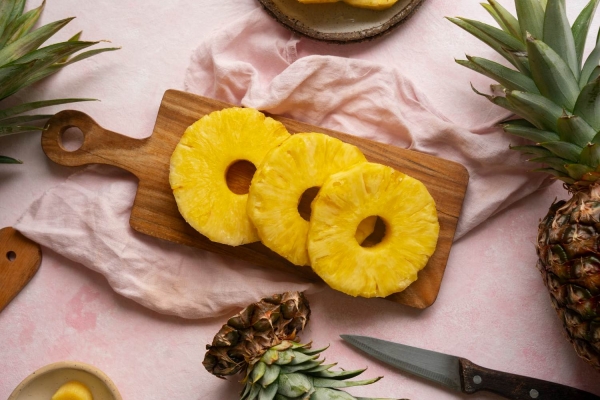
Understanding Pineapple and Pregnancy: What Does Science Say?
Is pineapple safe during pregnancy? Of course, yes. For the vast majority of pregnant women, eating normal portions of ripe pineapple is safe and nutritious.
The concern around pineapple in pregnancy almost always traces back to one compound: bromelain. This enzyme, found mainly in the pineapple’s core and stem, can break down proteins and, in extremely high concentrations, soften the cervix. In this way, the myths about miscarriage and fruits are spreading faster than facts.
However, the amount of bromelain in a typical serving of fresh pineapple is far too low to cause any harm. A study in the Journal of Ethnopharmacology found that scientific evidence supporting the claim that pineapple extracts induce uterine contractions is clearly lacking.
Nutritional Benefits: Is Pineapple Good for Pregnant Ladies?
Beyond its safety, and pleasant taste, the answer to “Is pineapple good for pregnant ladies” is definitely yes. Maternal nutrition and tropical fruits like pineapple can actually provide significant support for both you and your developing baby.
Pregnancy raises the body’s nutritional demands, and pineapple is an excellent addition to a healthy prenatal diet.
1. Pineapple helps strengthen maternal immunity (From Mayo Clinic), while its high water content aids hydration and eases common pregnancy discomforts including fatigue, swelling, and morning sickness.
2. Pineapple also serves as a great dietary source of vitamin C intake during gestation; one 100-gram cup of pineapple supplies nearly 100% of a pregnant person’s daily vitamin C requirement.
This key nutrient boosts immune function, defends against common illnesses, and enhances the absorption of plant-based iron, effectively helping prevent prenatal anemia.
3. Pineapple contains vital fetal development micronutrients, including manganese and folate. Manganese supports fetal bone growth and metabolic development, and Folate (or vitamin B9) helps prevent fetal neural tube defects, actively supporting healthy brain and spinal development in the growing baby.
Can You Eat Pineapple While Pregnant? Safety by Trimester
Can you eat pineapple while pregnant? In short, yes. But it actually differs depending on how far along you are. While it is safe throughout, your body's sensitivity changes over the months, so your approach might shift slightly.
Can you eat pineapple while pregnant in the first trimester?
Pineapple is safe to eat during the first trimester of pregnancy. That said, early pregnancy often brings heightened stomach sensitivity, morning sickness, and a stronger sense of smell, requiring extra caution with acidic foods. Pineapple’s natural acidity can worsen nausea and heartburn if consumed in excess.
If you are experiencing severe morning sickness (hyperemesis gravidarum) or persistent acid reflux that makes it hard to keep food down, it is wise to temporarily avoid pineapple until your symptoms improve. For most women without these issues, a small portion (half a cup) is perfectly fine.
Second trimester: moderate consumption is key
As you move into the second trimester, your digestion usually stabilizes, and your appetite returns to normal. Consequently, you can comfortably enjoy moderate amounts of pineapple.
It serves as a healthy alternative to processed sugary snacks, satisfying sweet cravings while offering natural vitamins and nutrients.
For all other pregnant women, moderate consumption is safe and beneficial. The only exception applies to individuals with gestational diabetes and poorly managed blood sugar levels. In this case, it is best to consult your doctor or dietitian before eating pineapple.
Third trimester food restrictions: does pineapple make the list?
Pineapple is not included in official third-trimester food avoidance lists and is generally safe for late-stage pregnancy.
However, as the growing fetus presses against the stomach, many women experience recurring acid reflux and heartburn in this period. Pineapple’s acidity may exacerbate these uncomfortable symptoms for sensitive individuals.
If you frequently suffer from severe heartburn or have a history of gastric ulcers, you may choose to avoid it entirely.
For most pregnant women with no related discomforts or health conditions, a small serving of pineapple remains safe to eat.
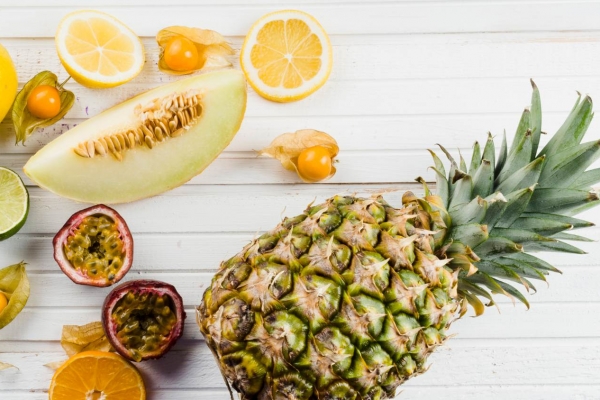
Food Safety Guidelines for Expectant Mothers
Aside from learning how to safely enjoy pineapple during pregnancy, it is equally important to master comprehensive food safety guidelines for expectant mothers throughout all trimesters.
Core Principles of Food Safety During Pregnancy
Always follow the CDC’s four basic steps to prevent food poisoning: clean, separate, cook, and chill (Source: CDC Food Safety).
First, wash your hands thoroughly before handling any produce. Additionally, use a separate cutting board for fruits to avoid cross-contamination with raw meat or poultry. Always thoroughly rinse the peel of tropical fruits like pineapple, mango and papaya before cutting.
For storage: Fresh, uncut pineapple can be kept at room temperature for 1-2 days. Once cut, store the pieces in an airtight container in the refrigerator and consume them within 3 to 4 days.
If you notice any fermented smell, sliminess, or mold, discard the fruit immediately.
Safer Food Choices for Pregnant Women
According to the CDC's Safer Food Choices chart, there are best pregnancy-safe fruit guides and high-risk foods to limit or avoid during pregnancy.
In addition to pineapple, here is a quick list of pregnancy-safe fruits that are nutritious and low-risk when properly washed and prepared:
|
Fruit |
Key Nutrients |
Benefits During Pregnancy |
|
Citrus fruits (oranges, grapefruits, lemons) |
Vitamin C, folate, potassium |
Boosts immunity; helps iron absorption; supports hydration |
|
Berries (Strawberries, blueberries) |
Antioxidants, vitamin C, fiber |
Reduces oxidative stress; prevents constipation |
|
Bananas |
Vitamin B6, potassium, fiber |
Eases morning sickness; prevents leg cramps; supports digestion |
|
Apples & pears |
Fiber, vitamin C, quercetin |
Promotes gut health; helps control blood sugar |
|
Avocado |
Folate, healthy fats, vitamin K, potassium |
Supports baby’s brain and neural tube development |
|
Kiwi |
Vitamin C, vitamin E, folate |
Boosts immunity; acts as natural mild laxative |
To support maternal and fetal health, pair fruits with leafy greens, lean protein, whole grains, pasteurized dairy and low-mercury fatty fish. Eating a diverse selection of colorful produce helps supply a full spectrum of essential vitamins and minerals.
High-risk foods to limit or avoid
There are several specific foods that the CDC and FDA strongly advise pregnant women to limit or avoid entirely due to the risk of Listeria, Salmonella, or Toxoplasma. Here are the key ones:
|
Food Category |
Why Avoid? |
What to Do Instead |
|
Raw or undercooked meat, poultry, seafood |
Risk of Toxoplasma, Salmonella, E. coli |
Cook to safe internal temperatures (e.g., poultry 165°F/74°C, ground meat 160°F/71°C) |
|
Unpasteurized dairy products (raw milk, soft cheeses) |
Risk of Listeria |
Only eat if labeled “made with pasteurized milk” |
|
Raw or undercooked eggs (runny eggs, homemade Caesar dressing) |
Risk of Salmonella |
Cook eggs until yolks are firm; use pasteurized eggs for raw preparations |
|
Raw sprouts (alfalfa, clover, radish, mung bean) |
Bacteria can enter seeds before sprouting, impossible to wash clean |
Avoid completely during pregnancy |
|
Unwashed fresh produce (including tropical fruits like pineapple, mangoes) |
Surface bacteria can transfer to flesh when cutting |
Wash outer skin or peel under running water before cutting |
|
Fish high in mercury (swordfish, bigeye tuna) |
Mercury harms fetal nervous system |
Choose low-mercury fish (salmon, sardines, trout, canned light tuna) |
|
Refrigerated smoked seafood |
Risk of Listeria |
Heat until steaming or choose shelf-stable/canned versions |
Note: Fresh, thoroughly washed pineapple and other tropical fruits are not classified as high-risk foods in pregnancy.
Special Considerations: Gestational Diabetes, Heartburn, and Late Pregnancy
Pregnancy brings many changes to your body, and sometimes those changes affect how you digest food or manage certain health conditions. Let’s look at three common concerns: gestational diabetes and heartburn, and see where diet fits into each picture.
Advice for gestational diabetes
Gestational diabetes develops in some pregnant women, typically between 24 and 28 weeks of pregnancy. This condition impairs the body’s insulin use and leads to elevated blood sugar, though most cases can be managed through diet, exercise, or medication.
Pineapple contains natural fructose and ranks medium on the glycemic index (GI). It raises blood sugar more quickly than low-GI fruits such as berries and apples
A small 100g (half-cup) serving is generally safe for those with well-managed blood sugar. However, if your blood sugar is unstable or you follow a strict low-sugar diet, it is better to avoid pineapple and opt for lower-sugar alternatives, including strawberries and kiwi.
Always consult your healthcare provider or dietitian for tailored guidance.
Managing acid reflux and heartburn
Heartburn is extremely common in pregnancy, affecting over half of all expectant mothers. As the fetus grows, the uterus pushes against the stomach, causing stomach acid to flow back into the esophagus and create a burning discomfort.
Pineapple has a pH level of 3.5-4.5, making it naturally acidic. For those prone to reflux, it, along with citrus fruits, tomatoes, and vinegar-based dressings, can trigger or worsen symptoms.
That said, reactions vary from person to person; many tolerate pineapple well when eaten with meals rather than on an empty stomach.
If pineapple irritates your stomach, try grilled pineapple (heat mildly reduces acidity) or switch to low-acid fruits such as melon, bananas, and pears.
To ease heartburn discomfort:
1. Opt for smaller, more frequent meals instead of large portions.
2. Elevate the head of your bed by 6 to 8 inches while sleeping.
3. Cut back on spicy, fatty, and fried foods.
4. Drink water between meals, rather than during meals.
Note: Seek medical help if persistent or severe heartburn does not improve with lifestyle adjustments. Your doctor can prescribe pregnancy-safe antacids and other treatments.
Conclusion
Is pineapple safe during pregnancy? The answer is definitely yes. Fresh properly washed pineapple is a great choice to hit your daily fruit and vegetable intake goals.
If you live with severe acid reflux, gastric ulcers or gestational diabetes, consult your OB-GYN or dietitian for tailored dietary advice.
FAQs
Do I need to avoid pineapple in early pregnancy? Evidence from clinical studies
No, you do not need to avoid pineapple in early pregnancy. Normal moderate servings are safe in the first trimester; stick to small portions to prevent acid-related discomfort.
Can pregnant ladies eat pineapple every day?
Yes, in moderation. Limit daily intake to around 1 cup (150-200g) of fresh pineapple to avoid heartburn, mouth irritation or blood sugar spikes. For balanced nutrition, alternate it with berries, oranges, bananas and other fruits.
Can pregnant women eat tofu?
Yes, it is a healthy choice for most expectant mothers. Tofu is a nutritious plant-based food rich in protein, iron, calcium and amino acids.
Choose pasteurized, refrigerated products and store them correctly. Those with hormone-related conditions should consult a doctor before eating soy foods.