 ENGLISH
 中文
中文 ไทย
ไทยHow Much CoQ10 for Fertility? Optimal Doses to Boost Egg & Sperm Quality 2026
Wondering how much CoQ10 for fertility is right for you? Many hope CoQ10 can upgrade egg quality or boost sperm parameters but don’t know how many milligrams actually work. We break down targeted doses for men and women, plus easy intake tips to get the maximum fertility boost.
What Is CoQ10 and Why Does It Matter for Fertility?
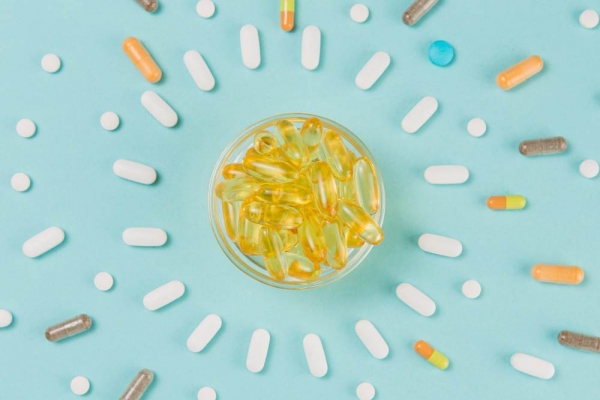
CoQ10 (coenzyme Q10) is a naturally occurring antioxidant found in every cell of your body. It plays a critical role in mitochondrial energy production, the process that powers your cells, including eggs and sperm. As we age, natural CoQ10 levels decline, which may affect egg quality and sperm health.
While the benefits of CoQ10 for fertility are well-documented, the question most people actually have is, how much should I be taking?
>If you haven’t read our complete guide to CoQ10 for fertility, you can find it here. For now, let’s go straight to the dosage.
How Much CoQ10 for Fertility? The Recommended Daily Dosage
Clinical studies have used dosages ranging from 100 mg to 600 mg daily, depending on individual circumstances and whether the focus is male or female reproductive health.
There is no universally agreed dose, and CoQ10 is not a licensed fertility treatment in most countries. The right dose depends on your gender, age, fertility status, and treatment goals.
Recommended Dosage for Women
For women, the appropriate dosage varies significantly depending on your specific situation and fertility goals. For example, for women trying to conceive naturally or preparing for IVF, the typical dosage range is 200-600 mg daily.
|
Scenario / Population |
Typical Daily Dose |
Notes |
|
General preconception health |
100–200 mg |
Suitable for younger women without diagnosed fertility issues |
|
Ovarian dysfunction / PCOS |
200–400 mg |
Targeted support for specific conditions |
|
IVF preparation |
300-600 mg |
Higher dose used in ART settings to maximize ovarian response |
|
Diminished ovarian reserve / Age > 35 |
Often recommended for women with low AMH or age-related decline |
|
|
Trying to conceive naturally (general) |
200 mg |
Common starting dose recommended by reproductive specialists |
For IVF preparation or diminished ovarian reserve, many reproductive endocrinologists recommend 300–600 mg daily. One study found that women aged 35-43 who took 600 mg daily for two months had improved clinical pregnancy rates.
Another study of women aged 31-46 undergoing IVF found that 200 mg daily improved follicular fluid oxidative metabolism and oocyte quality, particularly in women over 35.
Key takeaway for women: Start with 200 mg daily and discuss with your doctor whether a higher dose (up to 600 mg) is appropriate for your specific situation, especially if you are preparing for IVF.
Recommended Dosage for Men
For men with sperm quality concerns, the typical dosage range is 200-300 mg daily.
A landmark 2025 study directly comparing two doses of CoQ10, 100 mg/day vs. 200 mg/day, in 250 men with idiopathic oligoasthenozoospermia found that 200 mg/day produced significantly better results.
The higher dose resulted in a 53% relative increase in pregnancy rates (23% vs. 15%, P<0.001). This translates to a number needed to treat (NNT) of 12.5, meaning that for every 12-13 men treated with the higher dose instead of the lower dose, one additional pregnancy would be achieved.
A 2025 systematic review and meta-analysis of 9 studies involving 781 participants (430 treatment, 351 control) found that CoQ10 supplementation significantly improved:
1. Sperm concentration: +10.22 × 10⁶/mL;
2. Total sperm motility: +4.95%;
3. Seminal volume: +0.17 mL;
4. Clinical pregnancy odds: odds ratio 6.02.
Key takeaway for men: 200 mg daily has been established as the evidence-based standard for treating idiopathic male infertility.
Why Do Study Dosages Vary? Understanding the Research Differences
If you’ve looked into CoQ10 before, you’ve probably seen different numbers: 200 mg, 400 mg, even 600 mg. Here’s why these differences exist.
|
Study / Context |
Dose Used |
Reason for Dose |
|
General fertility support |
100-200 mg |
Preventative, younger individuals, no diagnosed fertility issues |
|
Male infertility (idiopathic) |
200 mg |
|
|
Male infertility (Safarinejad landmark study) |
300 mg |
Established 300 mg as a clinical standard; achieved 34.1% pregnancy rate |
|
IVF preparation (women) |
300-600 mg |
Higher dose used in ART settings to maximize ovarian response |
|
PCOS / ovarian dysfunction |
200-400 mg |
Targeted support for women with specific conditions |
What the studies actually say:
For men, a 2025 meta-analysis of 9 studies (781 participants) showed that doses above 100 mg daily were effective for sperm quality, with 200 mg/day being the most evidence-based standard.
For women, there is less consensus in the literature; studies range from 100 mg to 600 mg, and the optimal dose has not been firmly established.
Some reproductive endocrinologists recommend starting at 200 mg and increasing to 400-600 mg for women preparing for IVF or with diminished ovarian reserve.
Key takeaway: The “righ” dose depends on your gender, age, fertility diagnosis, and treatment goals. Higher doses are typically used for assisted reproduction (IVF) or when there is a clear fertility diagnosis. Lower doses are usually sufficient for general preconception health.
How Long Should You Take CoQ10 Before It Works?
CoQ10 is not a quick fix. The minimum recommended duration is at least 3 months. Here are the reasons:
1. Eggs take approximately 90 days to mature before ovulation.
2. Sperm take approximately 74 days to fully develop, plus an additional 2 weeks for maturation.
A 2025 meta-analysis found that treatment duration >3 months significantly improved sperm morphology (p<0.05). For men with idiopathic male infertility, CoQ10 therapy for over 3 months significantly improves semen quality and clinical pregnancy rates.
Starting 4-6 months in advance is preferable for women over 40 or those with low AMH. Some studies have used 6 months of CoQ10 therapy to achieve optimal results.
Which Form of CoQ10 Should You Take? Ubiquinone vs. Ubiquinol
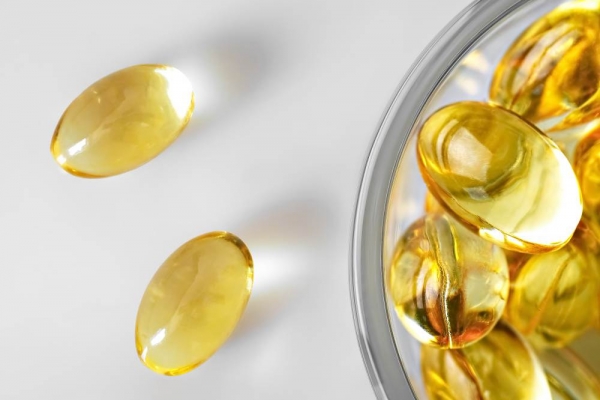
CoQ10 comes in two main forms: ubiquinone and ubiquinol.
Ubiquinone is the oxidized form. It is more stable, has been widely studied in clinical trials, and is generally more cost-effective. Most of the research on CoQ10 for fertility, including the large 2025 meta-analysis, has used ubiquinone.
Ubiquinol is the reduced, active form. Some studies suggest it may be more bioavailable, particularly for people over 40 or those with absorption issues. However, a 2020 study found no significant difference in bioavailability between the two forms.
Both forms can be effective. Ubiquinol may be preferred by those over 40 or with absorption concerns, but ubiquinone is a well-researched, more affordable option.
Dosage recommendations for ubiquinol are typically 200-300 mg daily, compared to 300-600 mg daily for ubiquinone.
Absorption tip: CoQ10 is fat-soluble; always take it with a fat-containing meal. Taking it with food can increase absorption by up to 3 times.
Evidence and Success Rates: What the Research Says?
Female Fertility Research
One trial involving women aged 35 to 43 showed two months of 600 mg daily CoQ10 raised clinical pregnancy rates.
Another IVF study of women 31-46 found 200 mg daily CoQ10 boosted egg quality, with more noticeable benefits for patients over 35.
Animal testing on aging mice demonstrated CoQ10 restored mitochondrial function and lowered chromosomal error rates; early human research also links supplementation to better embryo quality among poor ovarian responders.
Male Fertility Research
In Safarinejad’s landmark trial, a daily 300 mg CoQ10 dosage yielded a 34.1% clinical pregnancy rate.
A 2025 study by Rochdi et al., which followed 250 male participants, reported a 23% pregnancy rate with 200 mg daily CoQ10, versus only 15% at the 100 mg daily dose, representing a 53% relative improvement.
A 2025 systematic review and meta-analysis covering 9 trials with 781 total participants verified that CoQ10 noticeably enhances semen parameters and clinical pregnancy rates, especially with supplementation lasting more than three months.
Overall Summary
Clinical research supporting CoQ10’s fertility benefits is most robust for men. While findings for women look encouraging, relevant research is still developing, and additional large-scale randomized controlled trials are required to solidify its efficacy for female fertility.
Are There Any Side Effects or Risks?
CoQ10 is generally well-tolerated and safe for most people when taken as directed. However, like any supplement, it can cause side effects in some individuals.
Mild side effects may include:
Side effects are generally mild and uncommon. These may include mild gastrointestinal symptoms. Most people tolerate CoQ10 without any noticeable issues.
Drug interactions to be aware of:
|
Medication Type |
Interaction |
Risk |
|
Anticoagulants (warfarin / Jantoven) |
||
|
Antihypertensives (blood pressure medications) |
Potential additive effect |
|
|
Chemotherapy drugs |
Consult your oncologist |
Important: If you are taking warfarin or other blood thinners, consult your doctor before starting CoQ10. CoQ10 may reduce the effectiveness of these medications. Always inform your GP or fertility specialist before starting supplementation.
Other Considerations
The safety of CoQ10 during pregnancy and breastfeeding has not been established. Do not use CoQ10 if you are pregnant or breastfeeding without your healthcare provider's approval.
The European Society of Human Reproduction and Embryology advises against doses above 300 mg/day for fertility purposes, as the dose-response curve shows diminishing returns and higher doses may paradoxically be less effective.
For Liver function, monitoring of liver enzymes is recommended during long-term supplementation, especially at higher doses.
Always inform your GP or fertility specialist about all supplements you are taking, including CoQ10, before starting any new regimen. While CoQ10 is considered safe for most people, individual circumstances may vary.
Conclusion
How much CoQ10 for fertility hinges on your gender, age, and specific fertility objectives.
Men aiming to boost fertility typically take 200 mg daily, with clinical data identifying 200 mg as the ideal dosage for unexplained male infertility. For women, the recommended daily dose ranges from 200 to 600 mg; higher doses of 300-600 mg are commonly prescribed to prepare for IVF or address diminished ovarian reserve.
CoQ10 is a safe, easily tolerated fertility supplement, yet it delivers the greatest benefits when combined with a complete preconception wellness routine.