 ENGLISH
 中文
中文 ไทย
ไทยCoQ10 for Fertility: Proven Benefits, Ideal Dosage to Boost IVF Success
Considering CoQ10 for fertility? Learn how coenzyme q10 benefits for fertility include better egg quality, sperm health, and higher IVF success rates.
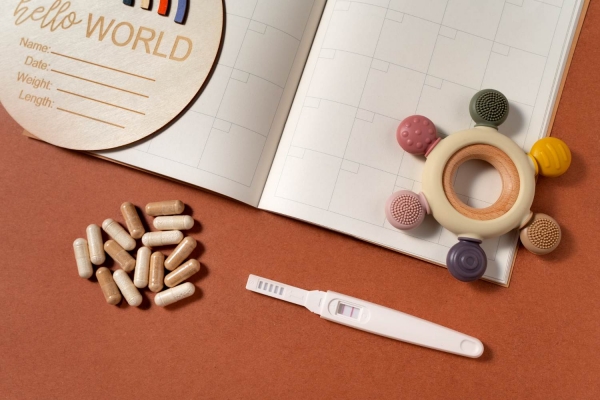
What Is CoQ10 and Why Does It Matter for Fertility?
Coenzyme Q10 (CoQ10) is a fat-soluble antioxidant naturally produced in the human body.
It plays a critical role in mitochondrial energy production, the process that powers every cell, including eggs and sperm.
As men and women age, natural CoQ10 levels decline, leading to increased oxidative stress and reduced reproductive cell quality. This is exactly why CoQ10 for fertility has gained attention from reproductive specialists worldwide.
CoQ10 Benefits for Fertility: Both Partners
CoQ10 benefits for fertility extend to both men and women. Below we break down the evidence for each.
Benefits for Female Fertility
A woman’s eggs rely heavily on mitochondria for energy during maturation, fertilization, and early embryo development. Several clinical trials show that CoQ10 supplement fertility regimens (typically 600 mg/day) can:
1. Improve the number of mature eggs retrieved during an IVF cycle.
2. Increase fertilization rates.
3. Enhance embryo quality.
Oxidative stress is a known cause of poor egg quality, especially in women over 40. By reducing oxidative damage, CoQ10 helps preserve the egg’s developmental competence.
A 2018 randomized controlled trial by Xu et al. found that women with decreased ovarian reserve who took CoQ10 (600 mg/day) had a higher number of mature oocytes, improved fertilization rates, and better embryo quality compared to placebo (Reprod Biol Endocrinol. 2018;16(1):29).
Benefits for Male Fertility
For men, CoQ10 is equally valuable. Sperm are highly susceptible to oxidative stress because their cell membranes contain large amounts of polyunsaturated fatty acids.
Studies have demonstrated that CoQ10 for fertility in men leads to:
1. Increased sperm concentration.
2. Improved progressive motility.
3. Reduced sperm DNA fragmentation, which is a key factor in miscarriage and failed IVF cycles.
A 2021 study (Nezhad et al., Urol J. 2021;18(3):330‑336) demonstrated that CoQ10 significantly reduced reactive oxygen species (ROS) production and preserved sperm motility during cryopreservation, with lower DNA fragmentation rates in men with oligospermia.
Another study in 2018, a double-blind randomized controlled trial published in the Chinese Journal of Andrology, investigated men with idiopathic oligoasthenozoospermia.
The study found that a combination of L-carnitine and CoQ10 taken for three months significantly improved sperm motility and progressive motility, reduced sperm DNA fragmentation, and increased clinical pregnancy rate compared to placebo.
Note that these benefits were observed with the combination therapy, not CoQ10 alone.
CoQ10 for Fertility: What IVF Outcomes
A 2020 meta-analysis in Journal of Assisted Reproduction and Genetics studied 449 women receiving fertility treatment. It found CoQ10 supplementation notably lifted clinical pregnancy rates, yet showed no obvious impact on live birth and miscarriage rates.
CoQ10 is a science-backed fertility supplement rather than a mere trend. To see ideal effects, start taking it 2 to 3 months ahead of IVF, matching the roughly 90-day growth cycle of eggs and sperm.
Studies also prove that higher CoQ10 levels in follicular fluid are linked to better embryo quality and higher pregnancy odds. A 2025 research review further verified that CoQ10 boosts mitochondrial function, cuts chromosome anomalies, and helps improve embryo quality for women with poor ovarian response.
How to Choose and Take a CoQ10 Supplement for Fertility?
Not all CoQ10 supplements are the same, and there is no official global dosage guideline. The following recommendations are based on clinical studies and expert experience.
Recommended Dosage for Women
Most reproductive endocrinologists often suggest 300 to 600 mg daily for women trying to conceive naturally or preparing for an IVF cycle.
Lower dosages are also commonly used. For general preconception health, a starting daily dose of 100 to 200 mg is sometimes recommended, especially for younger women or as a preventive measure.
Recommended Dosage for Men
For men, the evidence supports 200 to 600 mg per day, taken for at least three months before the IVF cycle. Some reproductive urologists prefer ubiquinol because of its superior absorption, especially in older men.
Ubiquinone vs. Ubiquinol: Which Is Better?
Ubiquinone is the standard form and less expensive. It works well for most people with healthy absorption.
Ubiquinol is the active antioxidant form. It may be better for individuals over 40, those with digestive issues, or people taking statin drugs.
Regardless of which form you choose, take CoQ10 with a meal containing fat (e.g., avocado, olive oil, nuts) to improve absorption.
Avoid taking it too close to bedtime, as some users report mild insomnia.
Foods That Support Sperm Development and IVF Success
While CoQ10 supplements provide a concentrated dose, a fertility-friendly diet amplifies the benefits. Certain foods are rich in antioxidants, zinc, selenium, omega-3 fatty acids, and CoQ10 itself-all of which support sperm health and improve IVF outcomes.
Below is a practical list of foods to include in your daily meals.
|
Food Category |
Examples |
Key Nutrients |
How It Helps Sperm |
|
Fatty fish |
Salmon, sardines, mackerel, herring |
Omega-3 fatty acids, CoQ10, selenium |
Reduce oxidative stress; improve sperm membrane integrity and motility |
|
Nuts and seeds |
Walnuts, Brazil nuts, pumpkin seeds, flaxseeds |
Omega-3, zinc, selenium, vitamin E |
Boost sperm count, motility, and morphology |
|
Fruits |
Berries (blueberries, strawberries), oranges, kiwis |
Vitamin C, flavonoids |
Lower sperm DNA fragmentation; protect against ROS damage |
|
Vegetables |
Spinach, broccoli, tomatoes (cooked), bell peppers |
Lycopene, folate, vitamin C |
Improve sperm concentration and progressive motility |
|
Whole grains |
Oats, quinoa, brown rice |
Zinc, selenium, B vitamins |
Support healthy spermatogenesis |
|
Lean meats & eggs |
Chicken, turkey, eggs (especially yolks) |
CoQ10, zinc, vitamin B12, protein |
Provide building blocks for sperm cells |
|
Legumes |
Lentils, chickpeas, black beans |
Folate, zinc, magnesium |
Improve overall sperm health |
|
Dark chocolate |
At least 70% cocoa |
L-arginine, flavonoids, magnesium |
Increase sperm volume and motility |
What About CoQ10 from Food?
Natural food sources of CoQ10 include organ meats (liver, heart), fatty fish, nuts, and spinach.
However, the amount of CoQ10 obtained from diet alone is far lower than the doses used in clinical studies (200 600 mg/day). That is why supplementation is often recommended; but a healthy diet remains the foundation.
You can read our related article to get more details of the IVF-cycle-specific plan, including what to eat after transfer.
Conclusion
CoQ10 for fertility is a safe, research-proven nutrient to boost egg and sperm quality, especially for couples preparing for IVF. It targets mitochondrial oxidative stress, the main trigger for age-related fertility drop, and benefits both partners equally.
Always consult your fertility doctor before taking any new supplements. Fertility improvement relies on joint efforts, and CoQ10 delivers the best results when paired with a balanced lifestyle, effective stress relief, and professional medical guidance.
FAQs
Can I take CoQ10 if I already have a normal FSH level?
Yes. FSH (follicle-stimulating hormone) reflects ovarian reserve but does not directly measure oxidative stress. CoQ10 works through a different pathway-mitochondrial health. Even with normal FSH, CoQ10 can improve egg quality and IVF outcomes.
Are there any side effects?
CoQ10 is generally well tolerated. Mild side effects may include nausea, diarrhea, or loss of appetite. Ubiquinol is less likely to cause digestive upset. Always consult your doctor before starting any new supplement, especially if you take blood thinners or thyroid medication.
Can I take CoQ10 together with other fertility supplements?
Yes. It is commonly combined with myo-inositol, melatonin, vitamin D, and omega-3 fatty acids. However, avoid taking CoQ10 with high doses of vitamin E without medical advice, as both have antioxidant effects, and the optimal balance is not well studied.