
 ENGLISH
 中文
中文 ไทย
ไทยFoamy Urine Treatment: Targeted Remedies Based On Underlying Causes
Foamy urine treatment depends entirely on its root cause. Here is a complete guide to foamy urine treatment by underlying cause, from dehydration to retrograde ejaculation, plus when to see a doctor.
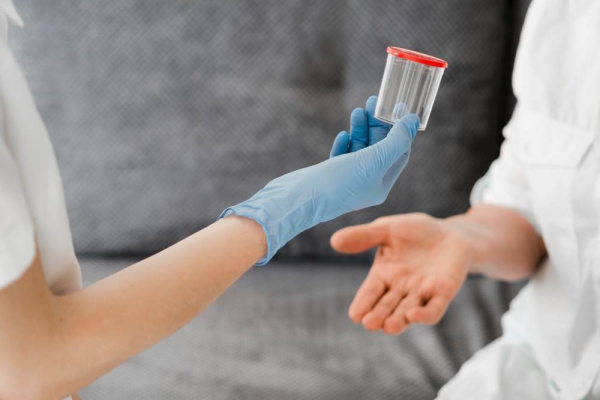
First To Ask: Does Your Foamy Urine Actually Need Treatment?
Does your foamy urine actually need treatment? The short answer is: it depends on the underlying cause.
Bubbles in urine now and then are common. Urine may be foamy if you urinate quickly or with force. Dehydration, urinary tract infections, and exercise also may make urine foamy. In these cases, treatment is either unnecessary or straightforward.
However, if you regularly have foamy urine that gets more noticeable over time, it may be a sign of proteinuria, a high level of protein in your urine. Proteinuria needs to be looked at, as having a lot of protein in your urine could mean you have a serious kidney issue.
|
Situation |
Does It Need Treatment? |
|
Occasional foamy urine (after rapid urination, mild dehydration) |
No. It usually resolves on its own |
|
Persistent foamy urine that gets worse over time |
Yes. It requires medical evaluation |
|
Foamy urine accompanied by swelling, fatigue, or other symptoms |
Yes. Seek medical attention |
|
Foamy urine after sex, with dry orgasm (men) |
Yes. It may indicate retrograde ejaculation |
Foamy urine itself is not a disease; it's a symptom. Treating the symptom without knowing the cause is not effective. Always consult a doctor for proper diagnosis before starting any treatment.
Diagnose First: Targeted Treatment Relies on the Cause
All foamy urine treatments hinge on identifying its exact trigger, as therapies vary drastically between harmless lifestyle causes and serious medical disorders.
Clinicians follow a streamlined three-step diagnostic workflow:
Step 1: Urinalysis. A basic urine sample test using dipsticks to screen for elevated protein if foam appears consistently.
Step 2: Follow-up lab work: Samples with abnormal protein readings get advanced lab analysis. Men suspected of retrograde ejaculation will undergo post-orgasm urine testing to detect semen.
Step 3: Root cause confirmation: Based on test results, your doctor can determine whether your foamy urine is caused by benign factors (dehydration, rapid urination) or underlying medical conditions (kidney disease, diabetes, infection, or retrograde ejaculation).
Foamy Urine Treatment by Underlying Cause
Treatment for foamy urine depends on its cause. Below is a breakdown of treatment approaches for each common cause.
|
Underlying Cause |
What It Is |
Treatment Approach |
|
Dehydration |
Not drinking enough water |
Increase fluid intake; typically resolves within 24-48 hours |
|
Rapid urination |
Urinating quickly or with force |
No treatment needed; bubbles disappear quickly |
|
Urinary tract infection (UTI) |
Bacterial infection in the urinary tract |
Antibiotics (prescribed by a doctor) |
|
Diabetes |
Uncontrolled blood sugar damaging kidneys |
Blood sugar control; blood pressure management |
|
Kidney disease |
Kidney filters damaged; protein leaking into urine |
Specialist care; blood pressure medications; dietary changes |
|
Retrograde ejaculation |
Semen entering the bladder instead of exiting through the penis |
Medications (if needed for fertility); assisted reproductive technologies |
Always consult a doctor for proper diagnosis before starting any treatment.
Foamy Urine Treatment: Harmless Triggers and Easy Resolutions
Dehydration and forceful urination are the two most common benign causes of foamy urine, both requiring minimal or no intervention.
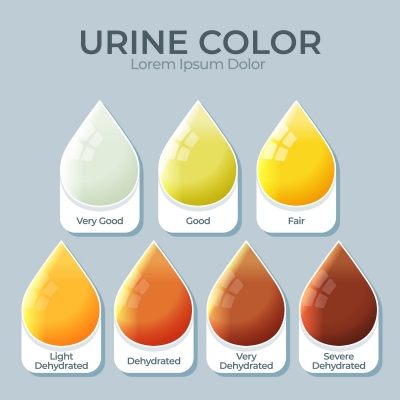
If your urine is foamy due to dehydration, the solution is straightforward: drink more water. Dehydration concentrates urine and creates persistent foam
Per the Cleveland Clinic, drinking 6-8 glasses of water daily is the primary remedy, with foam usually clearing within 24 to 48 hours if dark yellow urine accompanies the bubbles.
By contrast, fast, forceful urination only generates temporary bubbles that fade rapidly without any medical treatment. If foam only shows up occasionally and dissipates right away, the urine stream’s speed is the culprit.
Note that you should consult a doctor if foamy urine continues even after consistent proper hydration.
Foamy Urine Treatment for Urinary Tract Infection (UTI): Antibiotics
If a urinary tract infection is causing your urine to be foamy or cloudy, the standard treatment is antibiotics.
UTIs occur when bacteria infect the urinary tract. In addition to foamy or cloudy urine, symptoms may include a burning sensation during urination, frequent urge to urinate, and fever.
See a doctor for a proper diagnosis. They will prescribe the appropriate antibiotics based on the type of bacteria causing the infection.
Foamy Urine Treatment for Diabetes: Blood Sugar Control
Foamy urine can sometimes be a symptom of diabetes-related nephropathy. When blood sugar levels are too high over time, they can damage the kidneys, causing protein to leak into the urine.
Treatment approach:
1. Blood sugar management: Controlling blood glucose through diet, exercise, and medication is the foundation of treatment.
2. Blood pressure control: Medications to protect kidney function and manage blood pressure are often prescribed.
3. Lifestyle changes: Following a low-sodium diet can help protect kidney health.
Early diagnosis and proper diabetes management can help slow or prevent the progression of diabetic kidney disease.
Foamy Urine Treatment for Kidney Disease: Specialist Care
Persistently foamy urine can be a sign of protein leaking from the kidneys. Several kidney conditions can cause this, including glomerulonephritis, IgA nephropathy, focal segmental glomerulosclerosis (FSGS), and nephrotic syndrome.
Treatment approach depends on the specific condition but may include:
|
Treatment Type |
Examples / Purpose |
|
Blood pressure medications |
ACE inhibitors and ARBs to reduce blood pressure and protein in the urine |
|
Diuretics |
To remove excess fluid and reduce swelling |
|
Immunosuppressants |
For immune-related kidney conditions like glomerulonephritis or IgA nephropathy |
|
Dietary changes |
Low-sodium diet—limiting sodium intake to less than 2 grams per day; reduced protein intake in some cases |
|
Corticosteroids |
To reduce inflammation and protein loss in certain conditions |
Treatment for nephrotic syndrome involves treating the underlying medical condition that might be the cause. Medications and dietary changes can help control symptoms and prevent complications. In advanced cases, dialysis or a kidney transplant may be necessary.
Key point: Kidney disease requires specialist care from a nephrologist. Do not attempt to self-treat.
Foamy Urine Treatment for Retrograde Ejaculation: A Male-Specific Cause
Retrograde ejaculation occurs when semen enters the bladder instead of emerging through the penis during orgasm. This can cause foamy or cloudy urine.
It can be caused by nerve damage from conditions like diabetes or multiple sclerosis, certain surgeries (such as bladder neck surgery or prostate surgery), or medications (including certain antidepressants and alpha-blockers).
Retrograde ejaculation typically doesn't require treatment unless it interferes with fertility. In such cases, treatment depends on the underlying cause. Treatment options include:
|
Treatment Type |
How It Works |
Key Details & Notes |
|
Medications |
Strengthen and tighten the bladder neck muscle during orgasm to block semen from flowing backward into the bladder |
Around one-third of patients see improvement; possible side effects include elevated blood pressure and faster heart rate |
|
Medication adjustment |
Discontinue or swap prescription drugs linked to retrograde ejaculation temporarily |
Common problematic medications: some antidepressants and alpha blockers |
|
Assisted reproductive technology (ART) |
Retrieve sperm from post-orgasm urine, process samples in a lab, then perform intrauterine insemination (IUI) on your partner |
For cases where medicines fail; most patients achieve successful pregnancy with this approach |
When to See a Doctor? And What to Expect
When to see a doctor?
1. You often have foamy urine that gets more noticeable over time
2. It takes more than one flush to get rid of all the bubbles;
3. You have accompanying symptoms: swelling in your hands, feet, face, or abdomen; fatigue; loss of appetite;
4. You have risk factors: diabetes, high blood pressure, or a family history of kidney disease;
5. You’re a male experiencing dry orgasms (little or no semen released during climax);
6. You and your partner have been trying to conceive for 12 months or longer without success.
What to expect at a doctor’s visit?
1. Medical history. Your doctor will ask about your symptoms, how long you’ve had them, and any relevant health history.
2. Physical exam. This will likely include an exam of your penis, testicles, and rectum.
3. Urinalysis. A dipstick test will check for high protein levels in your urine.
4. Additional tests. If protein levels are high or retrograde ejaculation is suspected, further testing may be needed.
Conclusion
Foamy urine treatment entirely depends on the underlying cause, as foam itself is merely a symptom rather than an independent medical condition.
Foamy urine treatments range from simple lifestyle adjustments, such as increased water intake, to prescription medication and specialist fertility care. For male patients, consistent foamy urine can point to retrograde ejaculation, a curable factor behind male infertility.
Above all, avoid self-medicating ongoing foamy urine; accurate diagnosis forms the foundation of safe, effective care.
If your foamy urine is persistent, getting worse over time, or accompanied by swelling, fatigue, or other symptoms, don’t ignore it. See a healthcare professional. A simple urine test can provide answers and guide you toward the right treatment.
Disclaimer: This article serves educational reference only and does not replace professional medical guidance. Consult a licensed clinician for personalised health advice.
FAQs
1. How do you treat foamy urine?
Treatment depends entirely on the underlying cause. For dehydration, drink more water. For UTIs, antibiotics. For kidney disease, specialist care with blood pressure control and dietary changes. For retrograde ejaculation, medications or assisted reproductive technologies may help.
2. Can foamy urine be cured with home remedies?
Mild, occasional foamy urine caused by dehydration or rapid urination can often be resolved by drinking more water. However, persistent foamy urine requires medical evaluation, home remedies cannot treat underlying conditions like kidney disease or diabetes.
3. Is foamy urine treatment covered by insurance?
Diagnostic tests like urinalysis and basic blood work are typically covered by most insurance plans. Treatment for underlying conditions (e.g., diabetes, kidney disease) is usually covered.
However, fertility treatments for retrograde ejaculation may have variable coverage depending on your plan.