
 ENGLISH
 中文
中文 ไทย
ไทย7 Antioxidant-Rich Foods for Sperm Count: Eat Your Way to Better Sperm Quality
Antioxidant-rich foods for sperm count can support improvements in male fertility. Discover evidence-backed dietary choices to boost sperm parameters, including practical daily intake guidance instead of generic tips.
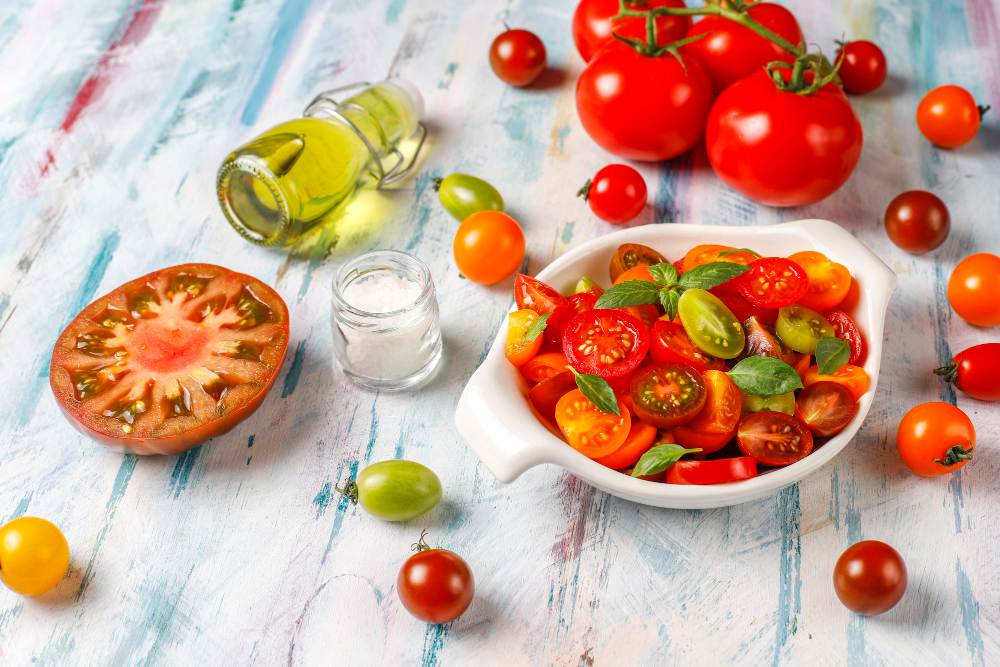
The 7 Best Antioxidant-Rich Foods for Sperm Count
|
Antioxidant / Nutrient |
Best Food Sources |
Daily Target |
Evidence Level |
|
Mixed nuts |
Walnuts, almonds, hazelnuts |
30g (a small handful) daily |
|
|
Lycopene |
Cooked tomatoes, tomato paste, tomato puree |
200g cooked tomatoes or 2 tbsp tomato puree daily |
|
|
Zinc |
Oysters, pumpkin seeds, beef, chickpeas, lentils |
1-2 servings weekly |
|
|
Selenium |
Brazil nuts (1–2 nuts = daily need), tuna, eggs, fish |
1-2 Brazil nuts daily |
|
|
Vitamin C |
Citrus fruits, kiwis, bell peppers, strawberries, broccoli |
1-2 servings daily |
Observational |
|
Vitamin E |
Almonds, sunflower seeds, vegetable oils, wheat germ |
1 serving daily |
|
|
Polyphenols |
Berries, red grapes, green tea, olives |
3-4 servings berries/week |
Evidence Level Key: RCT confirmed means supported by randomized controlled trials. Observational means supported by observational studies
Important: Antioxidants from whole foods work differently than supplements. While antioxidant-rich diets are consistently linked to better sperm quality, supplement studies have shown mixed results. Start with food first.
How Much of These Antioxidant-Rich Foods Do You Need?
1. Mixed Nuts: The 30g Rule
The FERTINUTS study, a 14-week randomized controlled trial published in the American Journal of Clinical Nutrition, evaluated 119 healthy men aged 18-35.
One group consumed a Western-style diet enriched with 60g of mixed nuts daily (30g walnuts, 15g almonds, 15g hazelnuts), while the control group avoided nuts.
Compared with the control group, the nut group showed significant improvements in total sperm count, vitality, total motility, and sperm morphology (P = 0.008). The nut group also showed a significant reduction in sperm DNA fragmentation (P < 0.001).
Your daily target: Aim for about 30g of mixed nuts per day.
2. Lycopene from Cooked Tomatoes
Lycopene is a powerful antioxidant found abundantly in cooked tomatoes. Previous research led by the University of Sheffield showed that sperm quality in healthy men can be improved with a simple dietary supplement containing lycopene.
A 12-week study found that supplementation with 14mg/day of lactolycopene, equivalent to the consumption of 2kg of cooked tomatoes or 2 tablespoons of concentrated tomato puree, resulted in a significantly improved proportion of fast-progressive sperm.
For reference, other research has shown that a more practical dietary target, such as 200g of cooked tomatoes per day, can also provide meaningful antioxidant benefits.
Your daily target: Aim for 200g cooked tomatoes daily, about one cup of tomato sauce, tomato paste, or tomato soup. Lycopene is fat-soluble and better absorbed from cooked tomatoes than raw.
3. Zinc: Oysters and Pumpkin Seeds
Zinc is critical for sperm development and maturation. Studies have shown that adequate zinc intake of 14mg/day can increase sperm count and improve the form, function, and quality of sperm.
Foods rich in zinc include oysters (71mg/100g), beef (5.6mg/100g), pumpkin seeds (4.6mg/30g), chickpeas, lentils, and cashews.
Your daily target: 1-2 servings weekly from oysters, pumpkin seeds, or beef.
4. Selenium: Just 1-2 Brazil Nuts Daily
Selenium is essential for normal sperm production and development. Selenium and selenoproteins play a vital role in sperm production and integrity. Increasing selenium intake may help men with infertility by boosting sperm quality.
The Brazil nut rule: Just 1-2 Brazil nuts per day provides your daily selenium requirement. A single Brazil nut typically contains 68-91 micrograms of selenium, meaning it only takes one to exceed someone’s daily intake.
5. Vitamin C: Citrus, Kiwis, and Bell Peppers
Vitamin C is a key antioxidant in seminal plasma. Excess lipid peroxidation with reduced ascorbic acid in human seminal plasma is associated with poor semen quality, whereas ascorbic acid content has a positive correlation with fertility potential.
Foods rich in vitamin C include sweet peppers, strawberries, kiwi, tomatoes, broccoli, and citrus fruits. Vitamin C helps prevent sperm DNA damage caused by oxidative stress.
Your daily target: 1-2 servings daily from citrus fruits, kiwis, bell peppers, or strawberries.
6. Vitamin E: Almonds and Sunflower Seeds
Vitamin E is a powerful antioxidant found in vegetable oils, fruits, nuts, and seeds.
Good sources include wheat germ oil (highest content), sunflower seeds, almonds, vegetable oils (olive, flaxseed), and avocado. Vitamin E is fat-soluble, so it should be consumed with fats for better absorption.
Your daily target: 1 serving daily from almonds, sunflower seeds, or vegetable oils.
7. Polyphenols: Berries, Red Grapes, and Green Tea
Polyphenols, natural compounds found in berries, red grapes, olives, and green tea, support the endocrine system. They help reduce oxidative stress, which can negatively impact testosterone levels and sperm quality.
Your daily target: 3-4 servings of berries per week, plus green tea or red grapes regularly.
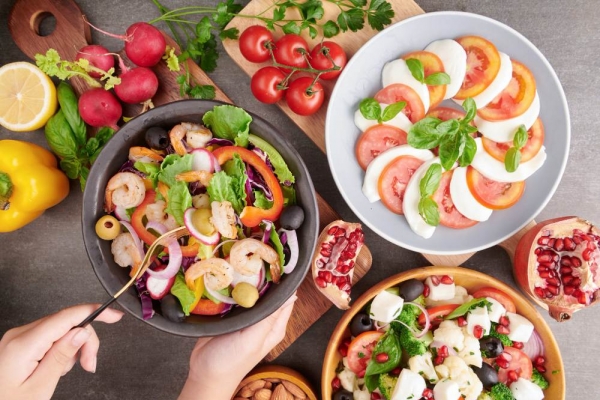
Why Antioxidants Matter for Sperm Health: Your Current Diet May Be Damaging Your Sperm
Sperm cells are packed with polyunsaturated fatty acids, which makes them highly vulnerable to oxidative damage.
High ROS levels cause sperm dysfunction, sperm DNA damage, and reduced male reproductive potential. Infertile men have higher levels of reactive oxygen species (ROS) in their semen than fertile men.
Antioxidant-rich Foods for sperm count, including vitamin C, vitamin E, selenium, zinc, lycopene, and polyphenols, neutralize free radicals and protect sperm from oxidative damage.
The Mediterranean Diet: Your Overall Dietary Pattern
While individual foods matter, the overall dietary pattern matters more. The Mediterranean diet, rich in fruits, vegetables, legumes, nuts, fish, and olive oil, has been consistently associated with better sperm parameters.
A systematic review of 10 studies found that six showed a positive influence of the Mediterranean diet, which is naturally rich in antioxidants, on semen parameters. The Mediterranean diet is rich in antioxidants, which counteract what is considered to be one of the main causes of idiopathic infertility.
One Cochrane meta-analysis of couples seeking fertility treatment observed a slight increase in live birth rates when subfertile men received oral supplementation with antioxidants, which occur naturally in many foods in the Mediterranean diet.
What to eat:
1. Vegetables: Dark leafy greens, tomatoes, peppers;
2. Fruits: Citrus, berries, grapes;
3. Nuts and seeds: Walnuts, almonds, Brazil nuts, pumpkin seeds;
4. Fish: Salmon, sardines, mackerel (2-3 servings weekly);
5. Healthy fats: Olive oil, avocado.
Limit: Red meat, processed meat, refined grains, saturated fats.
For a more detailed breakdown of the Mediterranean diet and its specific foods, check out our complete guide on How to Increase Sperm Count.
How Long Until You See Results?
Any dietary change takes at least 3 months to show up in a semen analysis.
Spermatogenesis, the process of sperm production, takes approximately 74 days from start to finish. After that, sperm spend another 12-14 days maturing in the epididymis. That’s why fertility specialists consistently recommend making changes and sticking with them for at least 3 months before retesting.
Eat Antioxidant-Rich Foods for Sperm Count: Your timeline
Here‘s what happens during those 3 months:
|
Timeframe |
What‘s Happening in Your Body |
What You Should Do |
|
Month 1 |
Spermatogonia (stem cells) begin dividing and differentiating into sperm cells |
Start your dietary changes and eat antioxidant-rich foods for sperm count now. |
|
Month 2 |
Sperm cells progress through meiosis and begin developing their characteristic shape (spermiogenesis) |
Stay consistent. This is when early changes start taking shape. |
|
Month 3 |
Mature sperm are released into the epididymis for final maturation and storage |
Your first batch of “new” sperm is now complete. Time to retest. |
In the 14-week (3.5-month) FERTINUTS study, men who added 60g of mixed nuts to their daily diet showed significant improvements in sperm count. This proves that meaningful changes can happen within a single sperm cycle.
Your action plan:
1. Commit to dietary changes for at least 3 months;
2. Schedule a follow-up semen analysis after 3-4 months;
3. If you don’t see improvement, don’t give up. Some men may need 6 months to see full effects.
Foods vs. Supplements: What‘s the Difference?
When it comes to antioxidants and male fertility, there’s an important distinction between getting them from whole foods and taking them as supplements. Both have their place, but they work differently.
Whole foods provide a complex package of nutrients that work together, something supplements can’t replicate.
Some individual supplements, however, did improve specific sperm parameters. Zinc and folic acid improved sperm concentration; selenium, carnitine, and CoQ10 improved motility.
The Practical Takeaway
1. Start with food. An antioxidant-rich diet, particularly one following the Mediterranean pattern, has consistently been linked to better sperm quality and is safe for everyone.
2. Consider supplements only when needed. For certain nutrients like CoQ10, the therapeutic dose may be higher than what you can reasonably get from food. In these cases, targeted supplementation under medical guidance can be appropriate.
3. Don’t rely on supplements alone. No pill can replace a healthy diet
Conclusion
Antioxidant-rich foods for sperm count offer a powerful tool to counteract the negative impact on male fertility, and these positive changes are well within your control.
They can boost sperm count when you select the right foods and consume them in appropriate portions. There is no need for overly complex dietary overhauls; simply limit ultra-processed foods and centre your meals around antioxidant-rich options.
This article is for informational purposes only and does not constitute medical advice. Always consult a qualified healthcare provider for personalized recommendations.
FAQs
1. What are the best antioxidant-rich foods for sperm count?
Mixed nuts (30g daily), cooked tomatoes (200g daily), citrus fruits, berries, and Brazil nuts (1-2 daily) have the strongest evidence behind them.
The FERTINUTS study showed that 60g of mixed nuts daily significantly improved total sperm count, motility, and morphology.
2. Can antioxidant supplements replace these foods?
No. Whole foods provide a complex mix of nutrients that work together, and something supplements can’t replicate. Start with food, and use supplements only for targeted nutrients under medical guidance.
3. Can I eat too many Brazil nuts?
Brazil nuts are extremely high in selenium. Just 1–2 nuts per day provide your daily requirement. However, eating too many can cause selenium toxicity. Stick to one or two per day.