
How to Freeze Eggs: Your Guide to Egg Freezing for Fertility Preservation
Learn how to freeze eggs safely and effectively for future fertility. This complete guide breaks down the egg-freezing process, success rates by age, and associated costs. Ideal for women planning fertility preservation, it will help you make an informed, confident decision about protecting your reproductive future.

Learn How to Freeze Eggs: Understanding What Egg Freezing Is first
Egg freezing, which is called Oocyte cryopreservation in medical terms, is a procedure that retrieves a woman’s eggs, freezes them, and stores them for future use. Once you are ready to start a family, the eggs are thawed, fertilized with sperm in a lab (a process called IVF), and the resulting embryo is placed into your uterus.
Women pursue fertility preservation primarily for medical and personal reasons, with freezing eggs offering protection against fertility loss from treatments, surgery, or early menopause.
Egg freezing also empowers women to delay parenthood for career, partnership, or financial stability, letting them choose their ideal timing without biological clock pressure.
Success Rates and Risks of Egg Freezing
A landmark 2025 study from US Fertility, presented at the American Society for Reproductive Medicine (ASRM) Scientific Congress, analyzed data from 1,185 patients who froze their eggs and later returned to use them. Here is what the research found:
|
Age at Egg Freezing |
Live Birth Rate (per thaw cycle) |
|
|
35–37 |
49% |
|
|
38–40 |
32.5% |
|
|
41–42 |
20% |
|
|
Over 42 |
13% |
The study also found that the odds of live birth declined by 21% with each advancing year of age at the time of egg freezing. In other words, every year you wait reduces your chances by roughly one-fifth.
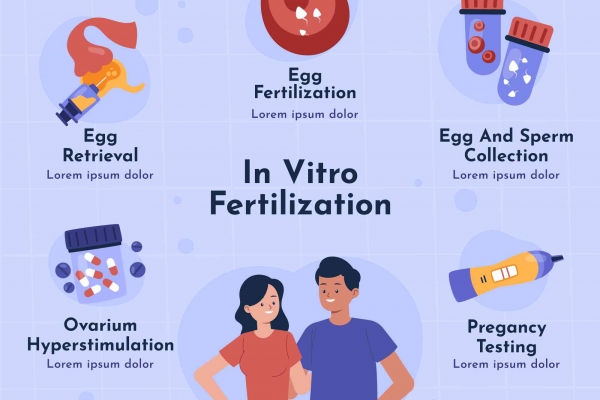
The egg freezing process involves daily hormone injections for about 10 to 12 days to stimulate your ovaries to produce multiple eggs. Most women tolerate this well, but some experience bloating, mood swings, headaches, or discomfort at the injection sites. The fertility clinic will monitor you closely with bloodwork and ultrasounds to minimize this risk.
Learn How to Freeze Eggs: The Egg Freezing Process Step by Step
How to Freeze Eggs: Step 1-Initial Consultation and Testing
Understanding how to freeze eggs starts with your initial visit to a specialized fertility clinic, where comprehensive planning and assessment take place.
A core component of this pre-treatment evaluation is ovarian reserve testing, designed to measure your remaining egg supply and predict ovarian response.
This evaluation typically includes a blood test for Anti Müllerian Hormone (AMH) and a transvaginal ultrasound to count antral follicles (AFC). Higher AMH levels generally reflect a healthier egg reserve, while a reading below 1.0 ng/mL may indicate diminished reserve.
Together, these results help your medical team customize stimulation protocols to support safe and effective egg freezing.
How to Freeze Eggs: Step 2-Ovarian Stimulation and Monitoring
Once your ovarian reserve testing confirms you are a suitable candidate for egg freezing, you will start a 10–12 day course of daily hormonal injections.
These medications stimulate your ovaries to develop multiple mature follicles and produce multiple eggs, rather than the single egg released during a natural cycle. Throughout this period, regular clinic visits involving blood tests and transvaginal ultrasounds are performed to closely monitor follicular growth.
This careful supervision ensures treatment efficacy and minimizes the risk of ovarian hyperstimulation syndrome (OHSS).
How to Freeze Eggs: Step 3-Egg Retrieval Procedure
When follicles reach optimal maturity, a final trigger injection is administered to complete egg maturation. Approximately 36 hours later, the egg retrieval procedure takes place.
Performed under mild sedation as a minimally invasive outpatient procedure, it involves inserting a thin needle transvaginally to aspirate follicular fluid and collect eggs from the ovaries.
The process typically lasts 15–20 minutes, and patients can return home the same day.
How to Freeze Eggs: Step 4 – Egg Cryopreservation
Right after egg retrieval, the collected mature eggs must be cryopreserved promptly to maintain their quality and viability.
Modern fertility practice favors vitrification, an advanced flash-freezing technique, over traditional slow-freezing methods.
Vitrification rapidly cools eggs to avoid ice crystal formation, greatly improving post-thaw survival rates and supporting better outcomes for future fertility treatments.
How to Freeze Eggs Safely with The Right Fertility Clinic
Choosing the right fertility clinic is one of the most important decisions you will make. A clinic’ s expertise directly affects egg survival rates, fertilization outcomes, and ultimately your chances of a live birth years later. Below are the key criteria to evaluate.
Key Selection Criteria
1. Laboratory success rates: Ask the clinic for their oocyte survival rate after thawing. With modern vitrification, a good clinic should report at least 80–90% survival.
Additionally, request their live birth rate per thawed egg cohort stratified by age at freezing—not just per cycle started. Reputable clinics publish these data transparently.
2. Exclusive use of vitrification: Confirm that the clinic uses vitrification rather than slow freezing. Vitrification is the current standard of care.
3. Dedicated frozen egg donor program: A clinic that maintains its own frozen egg donor bank typically has extensive experience handling vitrified eggs. This translates directly to better handling of your own frozen eggs.
4. Financial transparency and bundled pricing: Request a detailed, itemized cost estimate. Be sure to watch for any undisclosed fees that may only apply when you later return to use your frozen eggs.
Reading Clinic Reviews and Verifying Credentials
Check online reviews and ask for patient testimonials. Verify that the clinic’s physicians are board-certified in reproductive endocrinology and infertility. Transparency about costs, risks, and realistic outcomes is a hallmark of a trustworthy clinic.
Read More: How to Choose IVF Clinic in Bangkok: A Science-Based Guide for International Patients
Conclusion
Learning how to freeze eggs means understanding the step-by-step process, the age-related success rates, the cost, and how to choose a quality clinic. Every woman’s situation is unique, so consulting a board-certified reproductive specialist for ovarian reserve testing and personalized advice is key.
Egg freezing is not a guarantee, but it is a powerful fertility preservation option to protect future family-building possibilities.
FAQ
1. How many eggs should I freeze for a live birth?
It depends on age: Under 35: 15-20 eggs (70-90% chance); 38-40: 25-30 eggs (65-75% chance); Over 42: 20-50+ eggs (50% chance). Consult your doctor, as many use 2-3 cycles to reach the target.
2. How long can I freeze eggs?
Vitrified eggs can be safely stored for 10+ years (legal limit 10 years in many countries, extendable medically). Stored at -196°C (24/7 monitored), thawing for IVF has 88-90% survival.
3. Can I freeze eggs after 35?
Yes, egg freezing is absolutely an option after age 35. At 38, the live birth rate per thaw cycle is around 32.5%, while at 41–42 it drops to roughly 20%. For the best outcomes, it is advisable to act sooner and plan to freeze a higher number of eggs.
Read More: Understanding IVF Success Rates Over 40: Hope, Reality, and Your Best Path Forward
4. What’s the difference between slow freezing and vitrification for egg freezing?
Slow freezing (old method) forms ice crystals, damaging eggs (50-60% thaw survival). Vitrification (flash freezing) avoids ice, with 80-90% survival, higher pregnancy rates, and is the global gold standard for how to freeze eggs. When you are researching how to freeze eggs, make sure your chosen clinic uses vitrification exclusively.