
How to Increase AMH Levels: A Complete Plan to Boost Your Ovarian Reserve Naturally
Learning “how to increase AMH levels” is a top priority for many women hoping to conceive. This guide explores natural ways to improve ovarian reserve , from diet and supplements to stress management and fertility treatments for diminished ovarian reserve.
Understanding AMH and Why It Matters for Your Fertility Journey
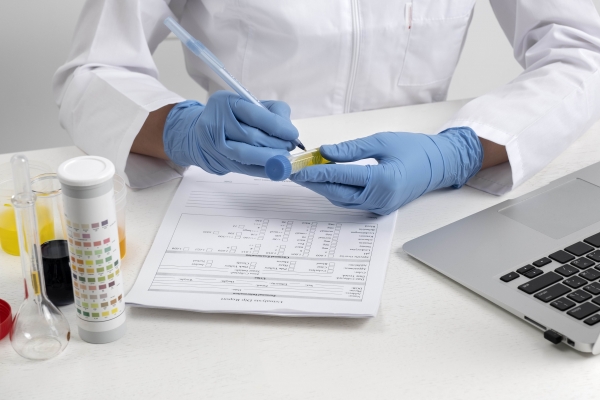
AMH (Anti-Müllerian hormone) is a hormone produced by the small, growing follicles inside your ovaries. Think of it as a rough inventory counter—it tells you how many eggs remain in your reserve. For women struggling with low AMH levels and feeling anxious about their fertility journey, AMH is a critical marker of ovarian reserve, offering a clear insight into their egg supply.
Therefore, how to increase AMH levels is becoming one of the most widely searched fertility questions worldwide. As you continue reading, you’ll discover proven natural strategies to safely increase AMH levels within a few months and support long-term ovarian health effectively.
What Is a Good AMH Level to Get Pregnant?
Fertility specialists often use the following ranges as general guidelines for what is a good AMH level to get pregnant:
High (often associated with PCOS)
Above 4.0 ng/mL
Normal range
1.5—4.0 ng/mL
Low normal range
1.0—1.5 ng/mL
Low
0.5—1.0 ng/mL
Very Low
Less than 0.5 ng/mL
Nevertheless, these numbers must always be interpreted alongside your age. A level of 1.0 ng/mL tells a very different story for a 32-year-old compared to a 42-year-old.
AMH Levels by Age Chart
Here is a quick reference for median AMH levels by age based on clinical data (From St. James’s Hospital Laboratory Medicine, last updated 03 Nov 2025) :
Age Group
Reference Range (pmol/L)
Converted to ng/mL (divided by 7.14)
20-24 years
13.4-52.1
1.88 – 7.30
25-29 years
13.1-53.8
1.83 – 7.54
30-34 years
6.8-47.9
0.95 – 6.71
35-39 years
5.6-37.4
0.78 – 5.24
40-44 years
0.7-21.1
0.10 – 2.96
45-50 years
0.3-14.7
0.04 – 2.06
As you can see, the natural decline accelerates after age 35. However, this does not mean younger women are immune to diminished ovarian reserve. Various factors—including genetics, medical history, and lifestyle—can all play a role.
The Three Pillars of Naturally Increasing AMH Levels
When exploring natural ways to improve ovarian reserve, most research points to four interconnected areas. Consequently, the most effective approach addresses all of them simultaneously rather than focusing on just one.
How to Increase AMH Levels: 1. Targeted Nutrition
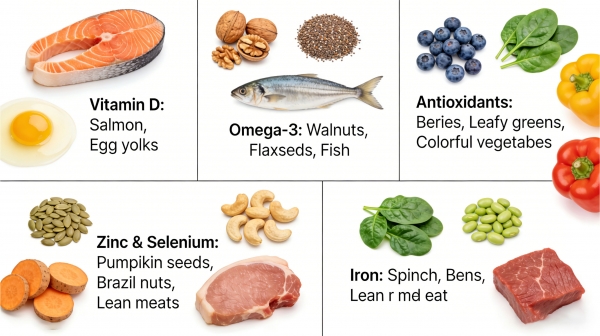
What you eat directly influences hormone production and follicle health. Accordingly, the best foods to eat to raise AMH levels quickly fall into several specific categories :
1. Vitamin D-rich foods: Fatty fish (salmon, sardines), egg yolks, and fortified dairy products. Research shows a direct link between vitamin D deficiency and lower AMH levels.
2. Omega-3 fatty acids: Found in walnuts, flaxseeds, and fish, these healthy fats reduce inflammation and support cell membrane health in developing eggs.
3. Antioxidant-packed produce: Berries, leafy greens, and colorful vegetables protect eggs from oxidative stress—a major contributor to cellular aging.
4. Zinc and selenium: Oysters, pumpkin seeds, Brazil nuts, and lean meats provide minerals essential for follicle development.
5. Iron-rich foods: Spinach, beans, and lean red meat support ovulation, as iron deficiency has been linked to ovulatory infertility.
Conversely, you will want to limit processed foods, excessive sugar, and trans fats, as these can disrupt hormonal balance.
How to Increase AMH Levels: 2. Lifestyle Changes to Boost AMH
Simple daily habits add up. Here are the most impactful lifestyle changes to boost AMH :
1. Exercise moderately, not excessively. Regular moderate activity—like brisk walking, swimming, or yoga—improves blood flow to the reproductive organs and helps maintain a healthy weight. But you don't have to overdo it. Overdoing it can actually lower AMH levels by increasing body stress.
2. Prioritize sleep quality. Aim for seven to nine hours of restorative sleep per night. Poor sleep disrupts the delicate hormonal cascade that governs your menstrual cycle and ovarian function.
3. Quit smoking completely. The toxins in cigarette smoke accelerate ovarian aging significantly.
4. Limit alcohol and caffeine. While moderate intake may be fine, excessive consumption can interfere with hormone production and fertility outcomes.
5. Manage chronic stress. Elevated cortisol levels from ongoing stress can suppress reproductive hormones. Meditation, deep breathing exercises, and fertility-focused yoga have all shown benefits.
How to Increase AMH Levels: 3. Environmental Awareness
Hidden toxins in everyday products can act as endocrine disruptors. To protect your ovarian reserve :
1. Switch to glass or stainless steel containers instead of plastic.
2. Choose natural cleaning and personal care products.
3. Consider organic produce for items known to carry pesticide residues.
What Is the Fastest Way to Boost AMH Before IVF?
For women asking “what is the fastest way to boost AMH before IVF”, the answer combines immediate action items:
1. Start CoQ10 supplementation.
2. Correct any vitamin D deficiency.
3. Adopt an anti-inflammatory diet.
4. Reduce stress through daily meditation or yoga.
5. Ensure you are getting adequate sleep.
Most fertility specialists recommend implementing these changes for at least 60 to 90 days before beginning an IVF cycle, as this aligns with the egg maturation timeline.
How to Increase AMH Levels? Your 90-Day Action Plan
If you are ready to start, here is a simple, evidence-based roadmap:
Month One: Foundation
Get baseline AMH testing and a full fertility workup.
Clean up your diet—add fertility superfoods, remove processed items.
Start a moderate exercise routine (30 minutes, five days per week).
Establish a consistent sleep schedule.
Month Two: Supplementation
Add CoQ10 (600 mg daily) and a high-quality prenatal vitamin.
Check your vitamin D level and supplement if low.
Begin stress management practices (10 minutes daily).
Month Three: Optimization
Reduce environmental toxins in your home.
Fine-tune your nutrition based on how you feel.
Consider acupuncture if available in your area.
Month Four: Reassessment
Repeat AMH testing to evaluate progress.
Consult your specialist about next steps, including possible fertility treatments.
Conclusion
Learning how to increase AMH levels is not about chasing a single number on a lab report. Instead, it is about taking proactive, compassionate control of your reproductive health. The strategies outlined here—from targeted nutrition and supplements to meaningful lifestyle changes to boost AMH.
So take a deep breath, pick one or two action items to start with, and consult with a qualified healthcare provider before starting any new supplement, diet, or treatment plan, especially when trying to conceive.
High (often associated with PCOS)
Above 4.0 ng/mL
Normal range
1.5—4.0 ng/mL
Low normal range
1.0—1.5 ng/mL
Low
0.5—1.0 ng/mL
Very Low
Less than 0.5 ng/mL
Age Group
Reference Range (pmol/L)
20-24 years
13.4-52.1
1.88 – 7.30
25-29 years
13.1-53.8
1.83 – 7.54
30-34 years
6.8-47.9
0.95 – 6.71
35-39 years
5.6-37.4
0.78 – 5.24
40-44 years
0.7-21.1
0.10 – 2.96
45-50 years
0.3-14.7
0.04 – 2.06
Month One: Foundation
Get baseline AMH testing and a full fertility workup.
Clean up your diet—add fertility superfoods, remove processed items.
Start a moderate exercise routine (30 minutes, five days per week).
Establish a consistent sleep schedule.
Month Two: Supplementation
Add CoQ10 (600 mg daily) and a high-quality prenatal vitamin.
Check your vitamin D level and supplement if low.
Begin stress management practices (10 minutes daily).
Month Three: Optimization
Reduce environmental toxins in your home.
Fine-tune your nutrition based on how you feel.
Consider acupuncture if available in your area.
Month Four: Reassessment
Repeat AMH testing to evaluate progress.
Consult your specialist about next steps, including possible fertility treatments.