
 ENGLISH
 中文
中文 ไทย
ไทยU.S. Supreme Court Upholds Birthright Citizenship: What IVF Families Should Know
On June 30, 2026, the U.S. Supreme Court issued a 6-3 decision rejecting President Donald Trump’s executive order that sought to restrict birthright citizenship.
The order, signed on the first day of Trump’s second term, would have denied automatic citizenship to children born in the U.S. to parents who were neither citizens nor lawful permanent residents.
For families planning IVF treatment in the U.S., this ruling means that the legal framework remains unchanged: children born on U.S. soil continue to receive automatic citizenship.
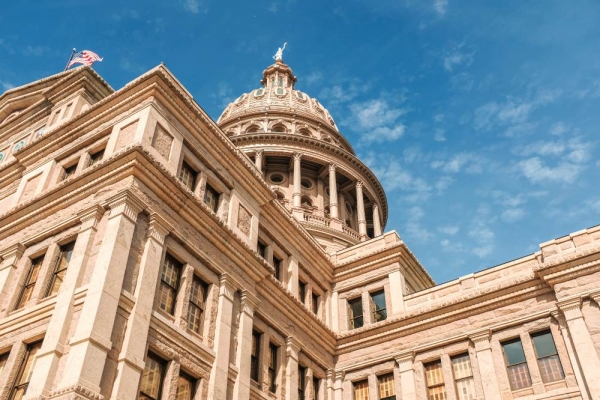
The Legal Foundation: What the 14th Amendment Says
The 14th Amendment to the U.S. Constitution states: “All persons born or naturalized in the United States, and subject to the jurisdiction thereof, are citizens of the United States and of the State wherein they reside.”
This establishes the principle of jus soli, citizenship determined by place of birth, not by parental lineage or nationality. With very limited exceptions (such as children of foreign diplomats), anyone born on U.S. soil is automatically a U.S. citizen. Since its adoption in 1868, this has been the cornerstone of U.S. nationality law.
Tuesday’s ruling reaffirms this long-established principle: birthright citizenship applies broadly and does not depend on the parents’ immigration status.
For overseas IVF families, this means that a child born in the U.S. automatically acquires U.S. citizenship, regardless of whether the parents are citizens, green card holders, or visa holders.
Historical Context: A Legal Principle 128 Years in the Making
The Trump administration argued for a narrow interpretation of the 14th Amendment, but the Supreme Court rejected that view.
Chief Justice John Roberts, writing for the majority, traced the history of birthright citizenship from English common law through the 14th Amendment, emphasizing that this understanding has been settled for well over a century.
In 1898, the Supreme Court decided United States v. Wong Kim Ark, a landmark case holding that a child born in San Francisco to Chinese immigrant parents was a U.S. citizen by birth.
That decision established the constitutional status of birthright citizenship and has been reaffirmed for 128 years. In short, for families considering IVF in the U.S., the legal framework remains clear and stable.
What This Means for IVF Travelers
Children born within the United States can still automatically acquire American citizenship in accordance with the law.
This right is protected by the 14th Amendment to the Constitution and does not change based on the identities of their parents (citizens, green cards, visas, other legal statuses). The rejected executive order has been ruled unconstitutional by the Supreme Court and has never officially taken effect.
It is estimated that if this executive order were implemented, it would affect the legal status of approximately 250,000 newborns in the United States each year. The Supreme Court's ruling has completely removed this risk.
Practical Guidance for IVF Travelers
1. The law is settled, no need for undue concern
The Supreme Court’s ruling affirms constitutional protection for birthright citizenship. Families planning IVF in the U.S. need not worry about their child’s citizenship status under current law.
2. Monitor potential legislative developments
Trump has indicated he will push Congress to address the issue through legislation. However, amending the 14th Amendment would require a two-thirds majority in both houses of Congress, a very high bar.
Still, Congress or the administration could attempt other approaches to restrict “birth tourism.” Families planning U.S. IVF treatment should stay informed about relevant legislative developments.
3. Visa policy remains unchanged
The Supreme Court’s ruling addresses birthright citizenship only. It does not affect how U.S. immigration authorities review visa applications. Families planning U.S. IVF treatment should continue to follow standard visa procedures.
4. Seek professional legal advice
Every family’s situation is different. Visa type, length of stay, and plans all matter. Before traveling to the U.S., consider consulting an immigration attorney for guidance specific to your circumstances.
5. Stay updated through official channels
Immigration policy and legal interpretations can evolve. For the most current information, monitor official sources such as the U.S. Citizenship and Immigration Services (USCIS) website and the State Department.
Note: This article is based on the U.S. Supreme Court’s public ruling of June 30, 2026 and is provided for informational purposes only. It does not constitute legal advice. For case-specific guidance, please consult a qualified immigration attorney.
>For more information about IVF treatment in the U.S., email info@cefivf.com or visit our Contact page.