 ENGLISH
 中文
中文 ไทย
ไทยPrepubertal Testicular Tissue Cryopreservation: First Successful Case of Sperm Production Recovery after 17 years
In May 2026, the first successful case of restoring sperm production in adulthood using testicular tissue cryopreserved before puberty was reported. This breakthrough brings new hope for fertility to families of children with cancer and to infertile men.
The 17-Year Wait: Key Facts
In 2009, a 10-year-old boy diagnosed with sickle cell disease was about to undergo high-dose chemotherapy and a stem cell transplant, a life-saving treatment that would almost destroy his future fertility.
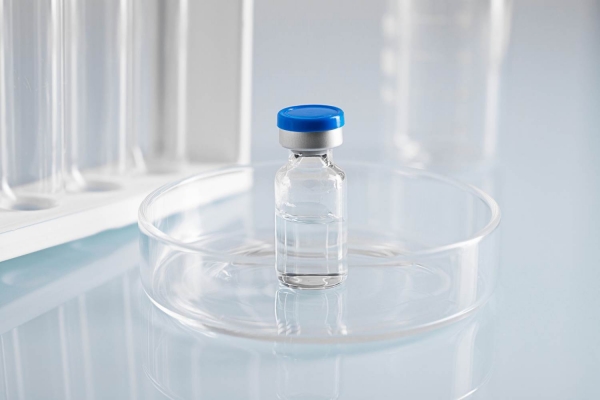
Before treatment, his doctors removed and froze a small piece of testicular tissue. At the time, the technique was highly experimental, and no one could guarantee it would ever work.
Seventeen years later, now a 27-year-old man, he returned to the University Hospital of Brussels (Vrije Universiteit Brussel). Surgeons thawed the tissue and transplanted it back into his testes.
One year after the transplant, examinations revealed complete spermatogenic tubule structures and active sperm production in the grafted tissue.
That means, He had successfully regained the ability to produce sperm, becoming the world’s first human proof-of-concept that prepubertal testicular tissue cryopreservation can restore spermatogenesis in adulthood.
The findings were first reported on IVF.net in May 2026. The full paper is expected to be published in a peer-reviewed journal.
Why This Matters
For Families with a Son Facing Cancer: The Only Option
Approximately 30% of male childhood cancer survivors face infertility due to gonadotoxic therapy. When total body irradiation or high-dose alkylating agents are used, the risk approaches 100%.
For prepubertal boys who do not yet produce mature sperm, freezing sperm is impossible. Testicular tissue cryopreservation is the only fertility preservation option available, a fact confirmed by the 2026 ASRM Committee Opinion and the 2025 ESHRE Good Practice Recommendations.
Globally, over 3,000 boys have already banked their testicular tissue. China published its Expert Consensus on Fertility Preservation in Prepubertal Male Cancer Patients in 2025, establishing clinical standards for the procedure.
For Adult Men with Azoospermia: A Promising Scientific Direction
For Adult Men with Azoospermia: A Promising Scientific Direction
This breakthrough has profound implications beyond childhood cancer. It proves that awaking dormant spermatogonial stem cells inside the human body is entirely feasible.
For adult men who have lost fertility due to cancer treatment, genetic disorders, or unexplained azoospermia, this research lays a critical foundation for future therapies.
However, a candid note is necessary: This technique cannot yet be applied directly to adult men who did not have testicular tissue frozen before treatment.
In this case, the sperm produced must be retrieved via intracytoplasmic sperm injection (ICSI) because the grafted tissue is not connected to the vas deferens, and natural ejaculation is not possible.
But science moves step by step. Every successful validation brings future possibilities closer.
Science Is Still on the Road, But Hope Is Lit
This achievement is a milestone, not the finish line. Researchers acknowledge that more work is needed to answer key questions:
1. Can the sperm produced in this way successfully fertilize an egg and lead to healthy live births?
2. Can the approach be extended to men with other causes of azoospermia (e.g., genetic defects, post-infectious loss)?
Nonetheless, the family that made a brave decision 17 years ago and the scientists who persisted in their research have lit a beacon for countless others facing similar fertility challenges.
How CEF Can Help
If you or your family are in any of these situations:
1. Adolescent boys who are about to undergo treatment and wish to preserve their fertility.
2. An adult man with azoospermia caused by cancer treatment.
3. Anyone with questions about male fertility preservation.
CEF can provide professional guidance and resources, helping you understand currently available options and how future scientific advances may become applicable to your personal journey.
>Data sources: IVF.net case report (2026); American Society of Clinical Oncology 2017 epidemiology data; 2024 international survey estimate; Expert Consensus on Fertility Preservation in Prepubertal Male Cancer Patients (2025, China); ASRM 2026 Committee Opinion; ESHRE 2025 Good Practice Recommendations.
>For inquiries, email info@cefivf.com or visit our Contact page.