 ENGLISH
 中文
中文 ไทย
ไทยIVF in Summer: Does Heat Affect Success? Essential Tips for Your Summer Cycle
Does summer heat affect the chances of success? The short answer is no. IVF success hinges on egg, sperm, embryo quality, and uterine receptivity, not on outdoor temperature.
Egg retrieval, fertilization, embryo culture, and cryopreservation happen in temperature-stable labs. Embryos are consistently incubated at 37°C (98.6°F) with negligible temperature shifts, shielded fully from external heat.
That said, summer heat can create a few practical challenges during your cycle. Here’s what to watch out for, and how to stay on track.
IVF Medication Storage: Don’t Let the Heat Ruin Your Meds
Many fertility medications require refrigeration or temperature-controlled storage. Exposure to high heat can reduce their effectiveness. If left in a hot car or sitting in direct sunlight at your doorstep, their potency may decrease.
What to do: Store medications as instructed. When traveling, carry them in a cooler pack with ice packs (wrap the ice packs in a towel to avoid direct contact). If a delivery arrives during peak heat hours, bring it inside immediately.
Note: Some medications like Menopur are stable at room temperature (68-77°F / 20-25°C). Always follow your specific prescription label and clinic instructions.
Hydration and Your Body’s Response to Heat
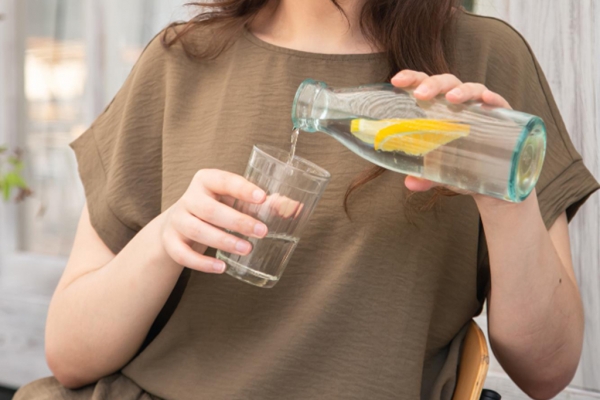
Extreme heat can lead to dehydration, which may affect how your body responds to stimulant medications. Proper hydration supports optimal blood flow to your ovaries and uterus, helps maintain healthy cervical mucus, and ensures your body can metabolize medications effectively.
What to do:
1. Drink water consistently throughout the day, especially if you spend time outdoors.
2. Avoid prolonged exposure to direct sunlight during peak temperature hours.
3. Staying well-hydrated also helps reduce the risk of heat exhaustion during procedures.
Air Conditioning and Temperature Swings
Rapid shifts between outdoor heat and indoor air conditioning can take a toll on your body. In IVF cycles, even a mild cold or fever may affect hormone levels and endometrial preparation. If you develop a fever, your clinic may recommend freezing all embryos and postponing transfer until you recover.
What to do:
1. Set your AC to a comfortable 26°C (78–79°F), not too cold.
2. Avoid sitting directly in the path of cold air.
3. Give your body a few minutes to adjust when moving between the hot outdoors and the cool indoors.
Eating Well in the Heat
Summer heat can suppress appetite, but good nutrition is essential during an IVF cycle. Digestive issues from spoiled food are more common in hot weather, and diarrhea can affect nutrient absorption, potentially impacting the uterine environment around transfer.
What to do:
1. Eat light, freshly prepared meals.
2. Wash fruits and vegetables thoroughly. Avoid leftovers that have been sitting out.
3. Stay hydrated, but go easy on ice‑cold drinks; sudden temperature changes can trigger stomach cramps.
Sleep, Exercise, and Stress Management
Summer’s longer daylight hours can disrupt sleep patterns. Inadequate sleep affects endocrine function, which may impact egg and sperm quality. At the same time, heat and humidity can make people feel more irritable, and emotional stress can influence hormone balance and, in some cases, IVF outcomes.
What to do:
1. Stick to a consistent sleep schedule, aim for 7-8 hours per night.
2. Exercise gently during cooler parts of the day, such as morning or evening walks, swimming, or fertility-friendly yoga.
3. Manage stress through light music, conversation with your partner, or simply taking a break from screens.
Male Fertility and Heat Exposure
While a woman’s eggs are protected inside the body, sperm are highly sensitive to external temperatures. Prolonged exposure to high heat, saunas, hot tubs, or even sitting with a laptop on the lap, can reduce sperm count and motility. This is particularly relevant for male partners preparing for IVF.
What to do:
1. Avoid saunas, hot tubs, and tight clothing during the weeks leading up to sperm collection.
2. Wear breathable, loose-fitting underwear.
3. If you work outdoors or in hot environments, take frequent breaks in shaded or air-conditioned areas.
What Does the Research Say About Summer and IVF?
Studies on seasonal IVF outcomes have shown mixed results.
A 2025 International Journal of Biometeorology study noted improved summer IVF results, with peak clinical pregnancy gains at 26.13-29.68°C. Another 2025 research recorded summer egg retrievals delivering a 61.24% live birth rate, outperforming spring, autumn, and winter cycles.
Conversely, some studies have identified risks.
A 2026 study found that exposure to high temperatures during early pregnancy (above 21.1°C for live birth outcomes) was associated with reduced live birth rates.
Another study from Hubei, China showed that hot weather exposure from embryo transfer to serum hCG testing was associated with reduced clinical pregnancy rates in fresh embryo transfer cycles (adjusted OR = 0.873).
Though findings remain inconsistent, most evidence indicates summer does not hinder IVF success. What matters far more is your clinic’s lab quality, your individual health profile, and how well you manage the practical challenges of summer heat.
Final Thoughts
IVF is a precisely coordinated process, but the season is not the deciding factor. The core determinants of success remain embryo quality, endometrial environment, and hormonal balance.
A summer IVF cycle is completely feasible and safe, provided you handle the heat‑related logistics properly and maintain a stable physical and emotional state.
So, if you are planning IVF in Thailand or the U.S. this summer, you don’t need to wait for cooler weather. Just contact us right away.
>For inquiries, email info@cefivf.com or visit our Contact page.