ENGLISH
 中文
 ไทย
Which Matters More for Fertility: Bedtime or Sleep Duration When Trying to Conceive?
Getting enough sleep is widely recommended for people trying to conceive. If you consistently get 8 hours of rest from 1 a.m. to 9 a.m., is this still considered staying up late, and could this routine affect your fertility?
When assessing sleep for preconception, bedtime and total sleep hours work in different ways and cannot replace one another. This guide unpacks evidence-backed sleep insights to support your fertility journey.
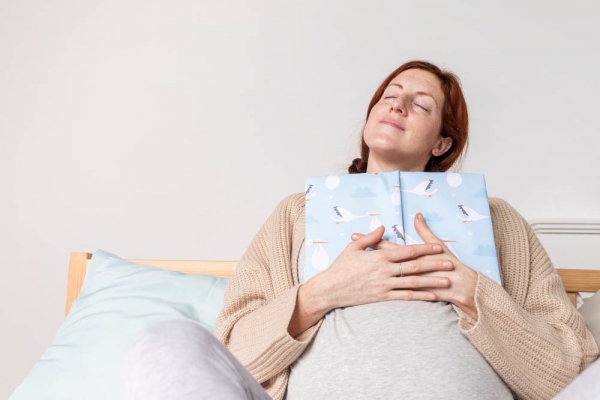
Sleep Duration: Target 7-8 Hours Each Night
Many people assume more sleep always equals better health. Recent research points to a more specific optimal range.
A 2026 systematic review studied nearly 10 000 women undergoing IVF or ICSI. It suggests sleep duration follows a U-shaped pattern. Both very short and very long sleep correlate with less favourable treatment outcomes.
The same body of research identifies 7-8 hours as the ideal nightly target. Moving outside this range, especially with consistent sleep loss, may lead to fewer retrieved eggs and lower egg maturity.
Men face similar patterns. A 2024 study of more than 1000 young men shows sleep outside the 6-9-hour recommended window links to higher sperm DNA stainability (HDS), a marker of chromatin damage.
To learn more, read our guide to [Sperm DNA Fragmentation].
What This Mean to You
Consistently sleeping too little or too much may signal an underlying disruption to your endocrine system. A stable 7-8-hour nightly routine is more favourable for conception.
Sleep Timing: The 10:45 p.m. Inflection Point
Your bedtime may matter even more than total sleep length.
A cross-sectional NHANES study analysed data from 3 903 women of reproductive age. It found a non-linear association between bedtime and infertility risk, with a key turning point at 10:45 p.m.
Going to bed before 10:45 p.m. showed no meaningful rise in infertility risk. However, bedtimes after 10:45 p.m. brought higher infertility risk, and risk grew the later you fell asleep.
Researchers adjusted results for sleep duration, BMI, physical activity and other variables. That means late bedtime creates its own risk, even when you get a full number of sleep hours.
Why does Staying Up Late Have Such an Effect?
The hormone melatonin explains much of this effect. Beyond supporting sleep, melatonin acts as a powerful antioxidant.
Within the ovary, it shields eggs from oxidative harm and supports egg maturation, fertilisation, and early embryo development.
Melatonin release follows natural light-dark cycles and peaks overnight. Artificial evening light suppresses this nightly surge. Over time, low or delayed melatonin exposure leaves reproductive cells more vulnerable to oxidative stress.
The 2026 review also confirms that persistent late bedtimes disrupt your internal body clock, disturb reproductive-hormone rhythms and may lower embryo implantation rates as well as sperm motility.
Why Weekend Catch Up Sleep Does Not Fix Circadian Misalignment
Many people attempt to offset weekday late nights by sleeping longer on weekends. Catch-up sleep can restore lost sleep hours, yet it cannot reverse damage caused by delayed circadian rhythms.
Melatonin secretion follows natural light-dark cycles. Staying up late means heavy night-time light exposure, which suppresses your melatonin peak.
If you are scrolling on your phone past 12:30 a.m., you miss your critical melatonin window. Sleeping until noon the next day cannot recreate that lost nightly hormone window.
The 2026 review describes this condition as circadian misalignment. It harms fertility by triggering oxidative stress and inflammation.
Sleep Rhythms Matter for Both Women and Men
For women, better sleep quality correlates with higher live-birth odds.
A prospective cohort study of 1,351 patients undergoing fertility treatment showed every extra hour of sleep raised clinical pregnancy rates after embryo transfer by roughly 23%. This effect was more pronounced for women aged over 30.
For men, sleep duration shows a U-shaped relationship with sperm DNA integrity. Stable sleep schedules paired with antioxidant support may help improve sperm quality.
Snoring Deserves Extra Attention When Trying to Conceive
Obstructive sleep apnea (OSA) shows consistent negative links to assisted-reproduction outcomes.
A 2026 meta-analysis shows patients with sleep apnoea see noticeably lower clinical pregnancy and live-birth rates with IVF.
If you or your partner snores heavily regularly, feel sleepy through daytime hours, or already carry an OSA diagnosis, mention this during your fertility work-up and ask about sleep-study testing.
Final Takeaways
Good preconception sleep is not only about hitting an 8-hour target. Aim for 7-8 hours of sleep, and try to fall asleep no later than 10:45 p.m.
If an early bedtime feels out of reach at first, shift your bedtime gradually by 15 minutes each week. It is a low-cost, actionable lifestyle adjustment for your fertility journey.
If you would like to know more about preconception lifestyle and fertility assessment, email info@cefivf.com or visit our Contact page.
Disclaimer: This article summarises peer-reviewed studies published 2024-2026. It serves educational purposes only and does not constitute medical advice. Always follow personalised guidance from your fertility clinician.