Artificial Insemination Thailand: Why It’s a Top Choice for Hopeful Families
Looking for artificial insemination Thailand? This guide covers IUI success rates, top clinics for foreigners, and safety. Learn why artificial insemination Thailand is a trusted choice for hopeful families worldwide.
What Is Artificial Insemination? Understanding the Basics
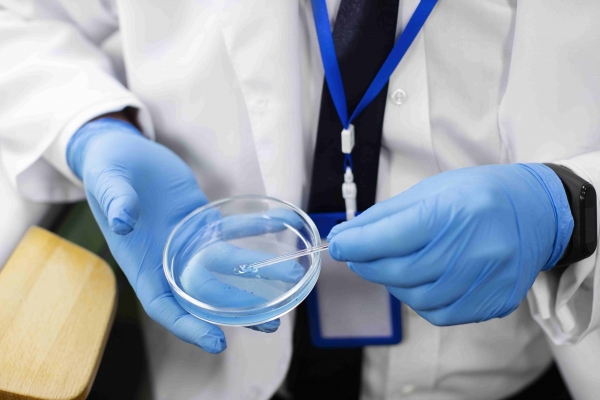
Artificial insemination is one of the most gentle and least invasive ways to help a pregnancy happen. In medical terms, it is often called intrauterine insemination (IUI). Unlike more complex treatments like IVF, this procedure works closely with your body’s natural cycle rather than replacing it.
How Does the Artificial Insemination Procedure Thailand Work? A Step-by-Step Explanation
Step 1: Initial Fertility Assessment
Your journey begins with a comprehensive fertility consultation. The doctor reviews your medical history, performs blood tests to check hormone levels, and assesses both partners’ reproductive health. For women, a transvaginal ultrasound checks the ovaries and uterine lining. For men, a semen analysis confirms sperm count and motility. This assessment ensures IUI is the right choice for your situation.
Step 2: Sperm Preparation
If you are using a partner’s sperm, the sample is collected on the day of the procedure. After sperm collection, the sample undergoes a washing process that separates the most active, healthy sperm from lower-quality sperm and other elements.
Only the best swimmers remain. The entire preparation takes about two hours.
If you are using donor sperm, donor sperm screening in Thailand requires that all donations come from Ministry of Public Health-certified sperm banks.
Donors undergo extensive genetic and infectious disease testing, including HIV, hepatitis B and C, syphilis, and chromosomal analysis. This rigorous screening ensures safety for recipients.
Step 3: The Insemination Process
When ovulation is confirmed via ultrasound and blood tests, the insemination takes place. The actual insemination takes just a few minutes. Using a thin, flexible catheter, the doctor gently introduces the sperm through the cervix and into the uterine cavity. Most women feel little more than mild pressure.
Step 4: Post-Procedure Care and Pregnancy Testing
After the insemination, you rest for about 20 minutes. Then you can resume normal activities. About 14 days later, a blood test confirms whether pregnancy has occurred. If the first cycle is unsuccessful, your doctor will help you decide whether to try another IUI cycle or explore other options.
Why Choose Artificial Insemination Thailand?
This question deserves a thoughtful answer because choosing a country for fertility treatment is a big decision. Let me explain why Thailand has become a global leader in this space.
Affordable Fertility Care Compared to Western Countries
Cost is often the first thing people ask about. To help you see the difference clearly, here is a direct comparison of average IUI cycle costs across three popular destinations.
|
Cost Component |
Thailand (THB/USD) |
United States (USD) |
United Kingdom (GBP/USD) |
|
Standard IUI cycle (consultation, ultrasound, sperm washing, insemination) |
15,00-30,000 THB ($400-$850) |
$1,000–$4,000 |
£800–£1,500 ($1,000–$1,900) |
|
Donor sperm vial (certified bank) |
25,00-40,000 THB ($700–$1,100) |
$800–$1,500 |
£600–£1,000 ($760–$1,270) |
|
Typical total for one cycle + donor sperm |
$1,100–$1,950 |
$1,800–$5,500 |
$1,760–$3,170 |
As the table shows, Thailand offers the same quality of care at roughly one-third to one-half the price of Western countries.
For example, a complete IUI cycle with donor sperm in Thailand can cost as little as $1,100, while in the US the same treatment often exceeds $2,500.
These savings become even more significant if you need multiple cycles. Many artificial insemination clinics in Thailand for foreigners offer discounted package deals for three or four cycles, something rarely seen in Western clinics.
English-language medical service clinic for international patients
Thailand has been a medical tourism hub for decades. Many fertility clinics employ international patient coordinators who speak fluent English. These coordinators communicate clearly and professionally as well. Some clinics even offer translation services in other languages.
Legal Clarity for Foreigners
Another reason Thailand's fertility services attract so many international patients is the legal framework. Unlike some countries that restrict access based on marital status or sexual orientation, Thailand has taken progressive steps. In 2025, the Thai Ministry of Public Health launched a national fertility initiative that grants foreigners equal access to treatment and allows LGBTQ+ couples to register for assisted reproduction services legally. This clarity gives many families peace of mind.
Read More: IVF Thailand: Your Practical Guide to Choosing the Best IVF Clinic and Plan
What Are the Artificial Insemination Success Rates in Thailand?
This is where honest expectations matter most. Artificial insemination success rates Thailand are often misunderstood because people compare IUI to IVF. Let me clarify the numbers.
Average Success Rates Per Cycle
The clinical pregnancy rate for IUI in Thailand is approximately 15 to 20 percent per cycle (DHC IVF Thailand). These rates align with global averages for IUI.
However, age plays a decisive role. A study published in the Journal of the Medical Association of Thailand found that biochemical pregnancy rates decrease significantly as female age increases: 27.6% for women under 35, 12.8% for women aged 35 to 40, and only 7.1% for women over 40.
Similarly, Thai fertility clinics generally report that women under 35 have the highest IUI success rates, while women over 40 may achieve only one cycle before doctors recommend switching to IVF.
Is Artificial Insemination Safe in Thailand?
Safety is not an afterthought in Thailand’s fertility industry—it is a priority.
Clinic Licensing and International Standards
Thailand has multiple layers of quality assurance. The most rigorous is RTAC accreditation, an international standard governed by the Australia and New Zealand Reproductive Technology Accreditation Committee.
RTAC evaluates everything from laboratory operations and medical team qualifications to patient safety protocols and ethical standards. Other Thai clinics hold AACI accreditation (American Accreditation Commission International), ISO 9001:2015 certification, or Temos International accreditation.
Choosing a clinic with these credentials means your care is independently verified to meet global benchmarks.
Donor Sperm Screening Thailand
The Ministry of Public Health requires all sperm donors to be screened for HIV, hepatitis B, hepatitis C, syphilis, and other sexually transmitted infections. Donors must also undergo chromosomal analysis and a three generation genetic history review to rule out heritable diseases.
Risks and How Clinics Prevent Them
No medical procedure is entirely risk-free. With Artificial insemination Thailand, the main concerns are mild cramping, spotting, and a very small risk of infection.
Thai clinics minimize these risks by using sterile single-use catheters, performing thorough pre-procedure screenings, and prescribing prophylactic antibiotics when appropriate.
Multiple pregnancy is another consideration—if ovulation medications are used, there is a chance of releasing more than one egg. Responsible clinics monitor follicle development carefully to reduce this risk.
Conclusion
Artificial insemination Thailand offers an exceptional combination of affordability, safety, and accessibility. Looking ahead, Thailand continues to refine its fertility regulations and expand foreign-friendly access.
As medical tourism rebounds and technology advances, more international patients will find their path to parenthood here. Your journey starts with Artificial insemination Thailand can turn your hope into reality.
FAQs
When is the Best Time to do artificial insemination Thailand?
Timing is everything with IUI. The ideal moment is when ovulation is about to occur. Artificial insemination clinics in Thailand use a combination of blood tests (measuring luteinizing hormone or LH) and transvaginal ultrasound to pinpoint ovulation within a 12 to 36 hour window.
Most clinics schedule the insemination for the day after the LH surge is detected.
Does Thailand’s tropical climate affect success rates?
No. Fertility treatments are performed in fully climate-controlled laboratories and procedure rooms. The outside weather has no impact on medical outcomes.
What to look for in a clinic?
Check whether the clinic holds RTAC, AACI, ISO, or Temos accreditation. Ask about their success rates for IUI specifically—not just IVF.
Inquire about their donor sperm bank access and whether they follow Ministry of Public Health screening guidelines.
Can Single Women and Lesbian Couples Access Donor Sperm in Thailand?
Yes. Under Thailand’s 2025 revised Assisted Reproductive Technologies Act, single women and LGBTQ+ couples can legally access donor sperm for IUI or IVF.
However, you must be prepared to provide appropriate legal documentation. Clinics typically require notarized consent forms and, for foreign patients, valid passports and any relevant relationship documents.
Read More: How to Plan for IVF for Single Mothers by Choice: A Complete Step-by-Step Guide
Do I Need to Stay in Thailand for the Whole Treatment Cycle?
For IUI, a stay of 10 to 14 days is typically sufficient. The clinic will monitor your ovulation starting around day 8 to 10 of your menstrual cycle, perform the insemination when ovulation is detected, and then allow you to return home for the two-week wait before the pregnancy test.